O Antigo Testamento na arqueologia e na história

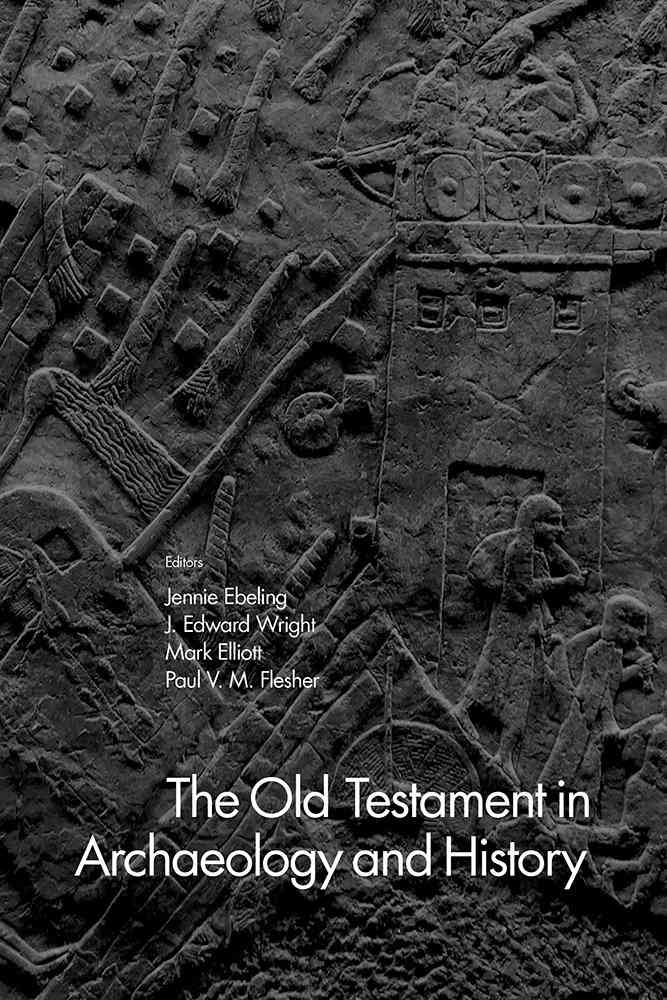
EBELING, J. et alii (eds.) The Old Testament in Archaeology and History. Waco, TX: Baylor University Press, 2017, 680 p. – ISBN 9781481307390.

EBELING, J. et alii (eds.) The Old Testament in Archaeology and History. Waco, TX: Baylor University Press, 2017, 680 p.

One hundred and fifty years of sustained archaeological investigation has yielded a more complete picture of the ancient Near East. The Old Testament in Archaeology and History combines the most significant of these archaeological findings with those of modern historical and literary analysis of the Bible to recount the history of ancient Israel and its neighboring nations and empires.

Eighteen international authorities contribute chapters to this introductory volume. After exploring the history of modern archaeological research in the Near East and the evolution of “biblical archaeology” as a discipline, this textbook follows the Old Testament’s general chronological order, covering such key aspects as the exodus from Egypt, Israel’s settlement in Canaan, the rise of the monarchy under David and Solomon, the period of the two kingdoms and their encounters with Assyrian power, the kingdoms’ ultimate demise, the exile of Judahites to Babylonia, and the Judahites’ return to Jerusalem under the Persians along with the advent of “Jewish” identity. Each chapter is tailored for an audience new to the history of ancient Israel in its biblical and ancient Near Eastern setting.

The end result is an introduction to ancient Israel combined with and illuminated by more than a century of archaeological research. The volume brings together the strongest results of modern research into the biblical text and narrative with archaeological and historical analysis to create an understanding of ancient Israel as a political and religious entity based on the broadest foundation of evidence. This combination of literary and archaeological data provides new insights into the complex reality experienced by the peoples reflected in the biblical narratives.

Histórias do Antigo Oriente Médio: alguns recursos online

Para entender o motivo dessa publicação, clique aqui.

BDTNS – Database of Neo-Sumerian Texts
The Database of Neo-Sumerian Texts (or BDTNS, its acronym in Spanish) is a searchable electronic corpus of Neo-Sumerian administrative cuneiform tablets dated to the 21st century B.C. During this period, the kings of the Third Dynasty of Ur built an empire in Mesopotamia managed by a complex bureaucracy that produced an unprecedented volume of written documentation. It is estimated that museums and private collections all over the world hold at least 120,000 cuneiform tablets from this period, to which should be added an indeterminate number of documents kept in the Iraq Museum. Consequently, BDTNS was conceived by Manuel Molina (CSIC) in order to manage this enormous amount of documentation (…) The work on BDTNS began, therefore, in 1996 at the Instituto de Filología (now Instituto de Lenguas y Culturas del Mediterráneo y Oriente Próximo) of the Consejo Superior de Investigaciones Científicas (CSIC), Madrid. Six years later, in 2002, it appeared online.

CDLI – Cuneiform Digital Library Initiative
The Cuneiform Digital Library Initiative (CDLI) represents the efforts of an international group of Assyriologists, museum curators and historians of science to make available through the internet the form and content of cuneiform inscriptions dating from the beginning of writing, ca. 3350 BC, until the end of the pre-Christian era. We estimate the number of these artifacts currently kept in public and private collections to exceed 500,000 exemplars, of which now more than 400,000 have been catalogued in electronic form by the CDLI.

In its early phases of research, the project concentrated on the digital documentation of the least understood archives of ancient cuneiform, those of the final third of the 4th, and of the entire 3rd millennium BC that contained texts in Sumerian, in early Akkadian and in other, still undeciphered languages. For despite the 160 years since the decipherment of cuneiform, and the 110 years since Sumerian documents of the 3rd millennium BC from southern Babylonia were first published, such basic research tools as a reliable paleography charting the graphic development of archaic cuneiform, and a lexical and grammatical glossary of the approximately 120,000 texts inscribed during this period of early state formation, remain unavailable even to specialists, not to mention scholars from other disciplines to whom these earliest sources on social development represent an extraordinary hidden treasure.

The CDLI, directed by Robert K. Englund of the University of California, Los Angeles, and Jürgen Renn of the Max Planck Institute for the History of Science, Berlin, is pursuing the systematic digital documentation and electronic dissemination of the entire cuneiform text corpus bearing witness to 3500 years of human history. Collaboration partners include leading experts from the field of Assyriology, curators of European and American museums, and computer specialists in data management and electronic text annotation. The CDLI data set consists of text and image, combining document transliterations, text glossaries and digitized originals and photo archives of cuneiform.

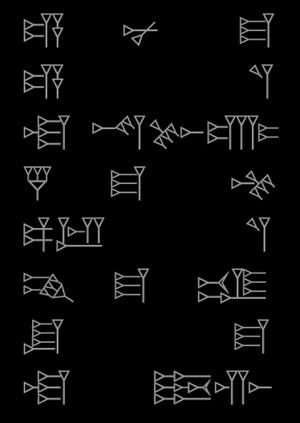
CDLI Literary 002718 (enuma elish) - Akkadian - Neo-Assyrian (ca. 911-612 BC)

CDLI:wiki
Directly linked to the Cuneiform Digital Library Initiative and born with it, cdli:wiki is now a collaborative project of members of the French CNRS team ArScAn-HAROC (Nanterre), and staff and students in the Faculty of Oriental Studies at the University of Oxford, with contributors in several different countries, involved in researches in history of the ancient Near East. The cdli:wiki is currently funded by the Cluster (LabEx) Pasts in the Present through the project AssyrOnline: Digital Humanities and Assyriologie.

eBL – electronic Babylonian Library
The goal of the electronic Babylonian Library (eBL) platform is to advance the publication and reconstruction of cuneiform tablets worldwide. By offering a versatile platform for editing tablets and texts and for annotating editions and photographs, and a suite of tools for epigraphic, lexicographic and historiographic research, it aims dramatically to accelerate the pace at which the written documentation of ancient Mesopotamia is recovered to the modern world.

The eBL platform is based at Ludwig-Maximilians-Universität München (LMU) and the Bayerische Akademie der Wissenschaften (BAdW) and hosted by the Leibniz-Rechenzentrum der Bayerischen Akademie der Wissenschaften (LRZ). It was initially developed with funding from a Sofja Kovalevskaja Award (Alexander von Humboldt Stiftung, 2018–2024). Since 2022, further development has been supported by the Cuneiform Artefacts of Iraq in Context project (CAIC, BAdW, 2022–2046).

ETCSL – The Electronic Text Corpus of Sumerian Literature
The Electronic Text Corpus of Sumerian Literature (ETCSL), a project of the University of Oxford, comprises a selection of nearly 400 literary compositions recorded on sources which come from ancient Mesopotamia (modern Iraq) and date to the late third and early second millennia BCE. The corpus contains Sumerian texts in transliteration, English prose translations and bibliographical information for each composition. The transliterations and the translations can be searched, browsed and read online using the tools of the website. Funding for the ETCSL project came to an end in the summer of 2006 and no work is currently being done to this site or its contents.

KeiBi – Keilschriftbibliographie
The International Keilschriftbibliographie (KeiBi) was first published by the Pontifical Biblical Institute, Rome in the journal Orientalia in 1940 (Orientalia N.S. 9). It became an essential tool for the study, research, and teaching of Ancient Near Eastern Studies. The search for entries, though, proves quite cumbersome – a weakness that all bibliographies issued over a substantial period of time share. To enable better access we hereby present the KeiBi online Database, where all issues already published can be searched simultaneously.

The KeiBi online is made possible with the support of the German Research Foundation (DFG) within the project „Propylaeum“ – Virtual Library Classical Studies. It was developed as part of the Propylaeum module Ancient Near Eastern Studies at the University Library Tübingen, with the support of the Institute of Ancient Near Eastern Studies (IANES), University of Tübingen. Prof. Dr. Hans Neumann, in cooperation with the Institut für Altorientalische Philologie und Vorderasiatische Altertumskunde, University of Münster, provided the KeiBi entries from volume 57 (Orientalia N.S. 69, 1999) onwards. Earlier issues were scanned and digitally processed.

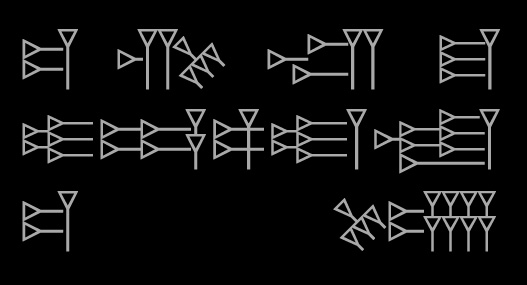
CDLI Literary 002873.05 (Gilgamesh epic 05) - Akkadian - Neo-Assyrian (ca. 911-612 BC)

Oracc – The Open Richly Annotated Cuneiform Corpus
The Open Richly Annotated Cuneiform Corpus (Oracc) is an international cooperative which provides facilities and support for the creation of free online editions of cuneiform texts and educational ‘portal’ websites about ancient cuneiform culture. Created by Steve Tinney, Oracc is steered by Jamie Novotny, Eleanor Robson, Tinney, and Niek Veldhuis. See The Oracc Project List.

Betsaida foi encontrada?

A cidade dos 3 apóstolos? – Por Reinaldo José Lopes 08/08/2017 11:29 – Darwin e Deus

Betsaida, a antiga cidade judaica na qual teriam nascido três dos 12 apóstolos (Pedro, André e Filipe), perto de onde Jesus teria realizado o célebre milagre da multiplicação dos pães e dos peixes, foi identificada nas margens do mar da Galileia, segundo um grupo de arqueólogos israelenses liderados por Mordechai Aviam, da Faculdade Kinneret.

As informações são do jornal israelense “Haaretz”. Segundo Aviam, a peça do quebra-cabeças que faltava para identificar Betsaida acaba de ser desenterrada por sua equipe: restos de uma casa de banhos do período inicial do domínio do Império Romano na região (do século 1º ao século 3º d.C.), bem como cacos de cerâmica dessa época e algumas moedas, entre elas um denário de prata datado do reinado do imperador Nero (em torno do ano 65 d.C.). Ironicamente, a tradição cristã diz que Nero foi o responsável por ordenar a execução do próprio Pedro em Roma.

A informação de que Betsaida era a cidade natal dos irmãos Pedro e André e também do apóstolo Filipe vem do Evangelho de João; por outro lado, a associação entre o local e o milagre da multiplicação dos pães aparece de forma mais clara no Evangelho de Lucas.

Acredita-se que a cidade, originalmente um vilarejo de pescadores, teria ganhado obras públicas, como a casa de banhos, durante o governo de Filipe, filho do temido rei Herodes, o Grande. Para homenagear a esposa do imperador romano Augusto, Filipe teria rebatizado a cidade, dando-lhe o nome oficial de “Julias”.

A identificação do local com a Betsaida dos apóstolos só não é 100% segura porque há algumas divergências entre as informações do Novo Testamento e as trazidas pelo historiador judeu Flávio Josefo. É que os evangelistas da Bíblia localizam Betsaida na região da Galileia, terra onde Jesus cresceu, do lado oeste do mar, enquanto Josefo considera que a cidade pertencia à Gaulanítide, do lado leste do mar da Galileia. É concebível que existissem duas localidades com o nome de Betsaida naquela época.


The Lost Home of Jesus’ Apostles Has Just Been Found, Archaeologists Say – Noa Shpigel and Ruth Schuster: Aug 08, 2017 10:45 AM – Haaretz

Archaeologists think they may have found the lost Roman city of Julias, the home of three apostles of Jesus: Peter, Andrew and Philip (John 1:44; 12:21). A multi-layered site discovered on the northern shore of the Sea of Galilee, in the Bethsaida Valley Nature Reserve, is the spot, the team believes.

The key discovery is of an advanced Roman-style bathhouse. That in and of itself indicates that there had been a city there, not just a fishing village, Dr. Mordechai Aviam of Kinneret College told Haaretz.

None other than the Jewish historian Josephus Flavius – in fact the only source describing this city’s existence – wrote that the Jewish monarch King Philip Herod, son of the great vassal King Herod, transformed Bethsaida, which had been a Jewish fishing village, into a real Roman polis (Ant. 18:28. Though whether it was built on Bethsaida, or by it, remains unknown.)

Philip flatteringly renamed the city “Julias” after Livia Drusilla, who after marriage would become known as Julia Augusta, the mother of the Roman Emperor Tiberius.

“Josephus reported that the king had upgraded Bethsaida from a village into a polis, a proper city,” Aviam says meticulously. “He didn’t say it had been built on or beside or underneath it. And indeed, all this time, we have not known where it was. But the bathhouse attests to the existence of urban culture.”

Leia Mais:
Bethsaida Controversy

Manuscritos do Mar Morto: simpósio em Jerusalém

An International Symposium: The Dead Sea Scrolls at Seventy: “Clear a Path in the Wilderness”

Date: 29 April–3 May, 2018

Conveners: The Hebrew University of Jerusalem, the University of Vienna, New York University, the Israel Antiquities Authority, The Israel Museum

Venues: The Hebrew University of Jerusalem and The Israel Museum

To mark seventy years since the initial discovery of the Dead Sea Scrolls, an international symposium will be held in Jerusalem, April 29–May 3, 2018. The overarching symposium theme will be “The Wilderness”—as a real place; as the location of biblical episodes, most notably during the formative years of Israel’s wandering from Egypt to the Promised Land; as a motif; and as a concept (sometimes idealized, sometimes demonized).

The wilderness figures prominently in biblical texts and in the literature of the Second Temple, rabbinic, early Christian, and early Islamic periods. It was also a place of habitation by various groups during these periods, which have left us archaeological sites, artefacts, documents and the more than 1500 Dead Sea Scrolls. Conference papers may address any aspect of the wilderness as it relates to Qumran; other Judean Desert sites; the Dead Sea Scrolls; and the associated late antique literatures, cultures and religions—particularly, Judaism, Christianity, and Islam. Papers may focus on such topics as the reception of biblical figures (e.g., Moses, Aaron, Phineas, Miriam, Balaam), events (e.g., the giving of the law, the sin of the golden calf, the building of the tabernacle, covenant ceremonies), and themes (e.g., revelation, law, covenant, rebellion against God, sanctuary, water, and manna) connected with Israel’s time in the wilderness; relevant textual and philological analyses; the use of the relevant biblical passages in shaping later texts; the influence of the desert climate, flora, and fauna on the ancient texts and their state of preservation.

The conference will feature invited lectures; open sessions; and two public lectures.

Papers will be accepted for the open sessions in accordance with the relevance of the topic to the overall program. Please send a proposal of no more than 250 words to the Orion Center email address ([email protected]). Deadline for receipt of proposals is September 20, 2017; responses will be mailed by October 31.

Symposium organizers:

  • Esther Chazon, Director, The Orion Center for the Study of the Dead Sea Scrolls and Associated Literature, the Hebrew University of Jerusalem;
  • Armin Lange, Professor of Second Temple Judaism and Director of the Institute for Jewish Studies, University of Vienna;
  • Lawrence H. Schiffman, Judge Abraham Lieberman Professor of Hebrew and Judaic Studies, Skirball Department of Hebrew and Judaic Studies, New York University;
  • Pnina Shor, Curator and Head of Dead Sea Scrolls Projects, The Israel Antiquities Authority;
  • Adolfo D. Roitman, Lizbeth and George Krupp Curator of the Dead Sea Scrolls and Head of The Shrine of the Book, The Israel Museum, Jerusalem.

Leia Mais:
Manuscritos do Mar Morto: 70 anos
Manuscritos do Mar Morto

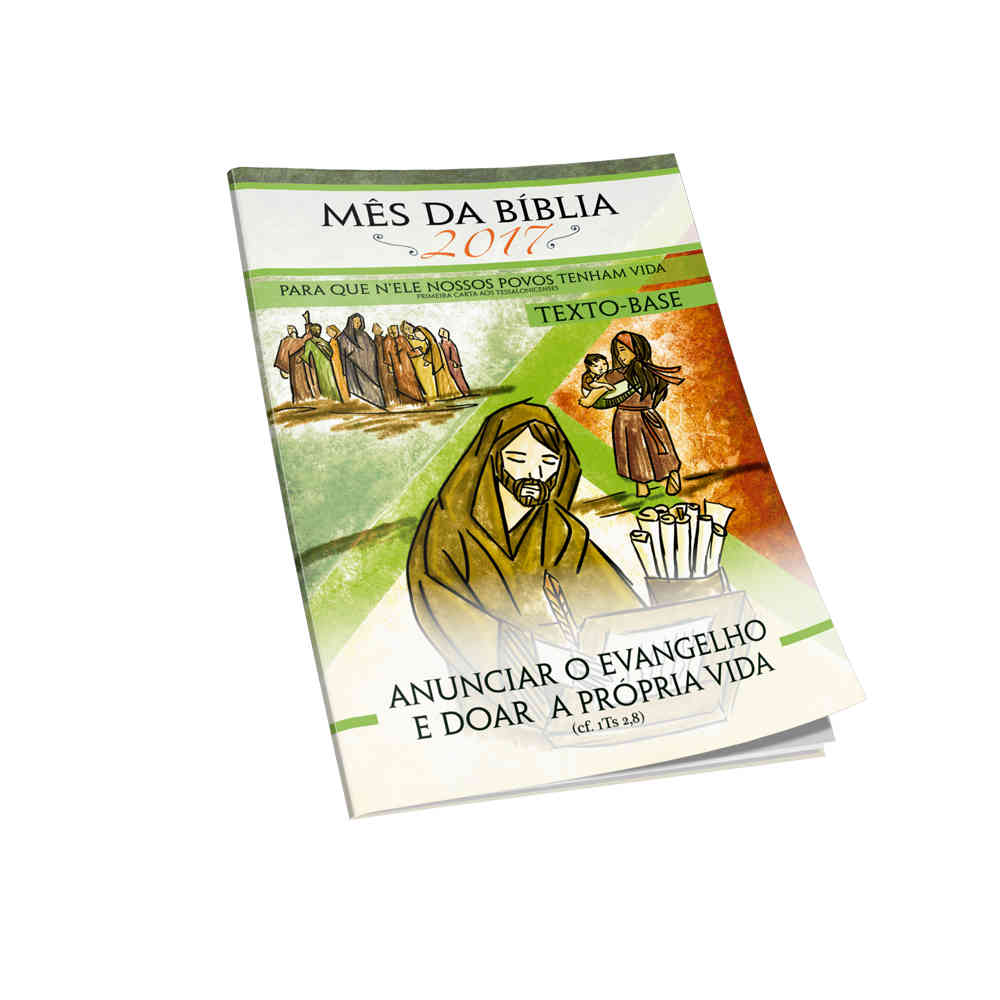
Mês da Bíblia 2017: Primeira Carta aos Tessalonicenses

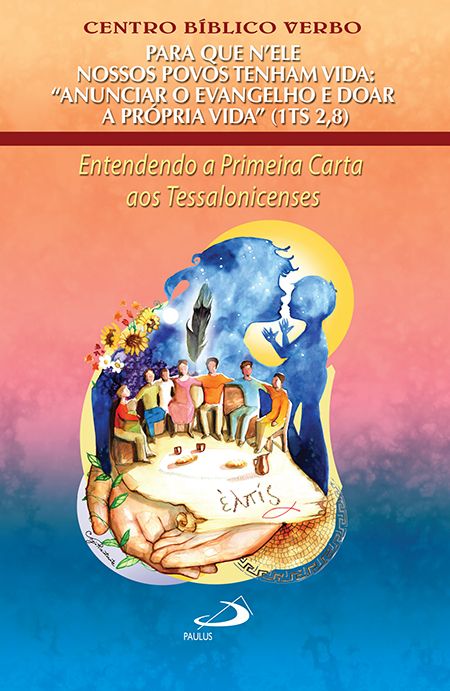
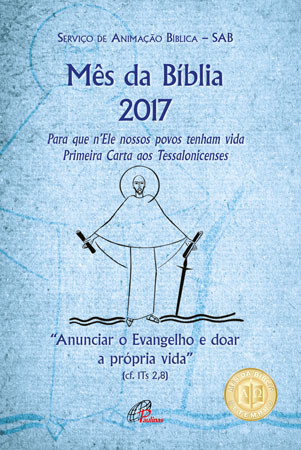
Com o tema “Para que n’Ele nossos povos tenham vida” e o lema “Anunciar o Evangelho e doar a própria vida” (1Ts 2,8), o Mês da Bíblia 2017 traz como proposta de estudo a Primeira Carta de Paulo aos Tessalonicenses.

Mês da Biblia 2017: Para que n'Ele nossos povos tenham vida: Primeira Carta aos Tessalonicenses

:: Mês da Biblia 2017: Para que n’Ele nossos povos tenham vida: Primeira Carta aos Tessalonicenses. Brasília: CNBB, 2017, 96 p.

:: CENTRO BÍBLICO VERBO Para que N’Ele nossos Povos tenham vida: “Anunciar o Evangelho e doar a própria vida” (1Ts 2,8). São Paulo: Paulus, 2017, 136 p. – ISBN 9788534945684.

CENTRO BÍBLICO VERBO Para que N'Ele nossos Povos tenham vida: "Anunciar o Evangelho e doar a própria vida" (1Ts 2,8). São Paulo: Paulus, 2017, 136 p.

:: SAB Mês da Bíblia 2017 – Para quem n Ele nossos povos tenham vida – 1ª. Carta aos Tessalonicenses. São Paulo: Paulinas, 2017, 64 p. – ISBN 9788535642797.

 SAB Mês da Bíblia 2017 - Para quem n Ele nossos povos tenham vida - 1ª. Carta aos Tessalonicenses. São Paulo: Paulinas, 2017, 64 p.

Leia mais sobre o Mês da Bíblia e sua história aqui.

A evolução da Epopeia de Gilgámesh

Para entender o motivo dessa publicação, clique aqui.

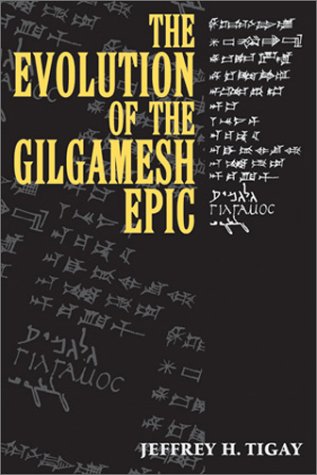
TIGAY, J. H. The Evolution of the Gilgamesh Epic. Wauconda, IL: Bolchazy-Carducci, 2002, 384 p. – ISBN 9780865165465.

TIGAY, J. H. The Evolution of the Gilgamesh Epic. Wauconda, IL: Bolchazy-Carducci, 2002, 384 p.

This volume is a study of the evolution of The Gilgamesh Epic, tracing its development through all of its known written stages over a period of at least 1,500 years down to the manuscripts of its final version. The immense contribution represented by this study has been acknowledged since its first publication in 1982.

Jeffrey H. Tigay (born 1941)

Jeffrey H. Tigay (born 1941) is Emeritus A.M. Ellis Professor of Hebrew and Semitic Languages and Literatures in the Department of Near Eastern Languages and Civilizations, University of Pennsylvania, USA.

Leia Mais:
Histórias do Antigo Oriente Médio: uma bibliografia

Enuma Elish

Para entender o motivo dessa publicação, clique aqui.

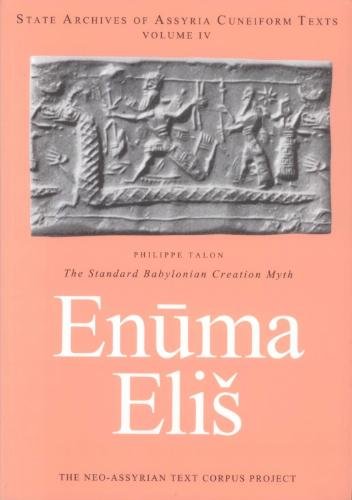
TALON, Ph. The Standard Babylonian Creation Myth Enuma Elish. Helsinki: Neo-Assyrian Text Corpus Project, 2005, 140 p. – ISBN  9789521013287.

TALON, Ph. The Standard Babylonian Creation Myth Enuma Elish. Helsinki: Neo-Assyrian Text Corpus Project, 2005, 140 p.

The purpose of this book is to give the Assyriological community a pedagogic edition of one of the most important literary texts in the Akkadian language, known since antiquity as Enuma Elish. Philippe Talon: Université Libre de Bruxelles, Belgium.

Philippe Talon

Leia Mais:
Histórias do Antigo Oriente Médio: uma bibliografia

ANET de Pritchard

Para entender o motivo dessa publicação, clique aqui.

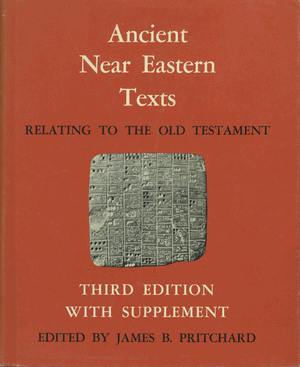
PRITCHARD, J. B. (ed.) Ancient Near Eastern Texts Relating to the Old Testament (ANET). 3. ed. with Supplement. Princeton, NJ: Princeton University Press, 1969.

PRITCHARD, J. B. (ed.) Ancient Near Eastern Texts Relating to the Old Testament (ANET). 3. ed. with Supplement. Princeton, NJ: Princeton University Press, 1969.

A scholar of religious thought and biblical archaeology, James Pritchard recruited the foremost linguists, historians, and archaeologists to select and translate the texts. The goal, in his words, was “a better understanding of the likenesses and differences which existed between Israel and the surrounding cultures”. This anthology brought invaluable documents together, in one place and in one language, thereby expanding the meaning and significance of the Bible for generations of students and readers. A competitor might be the three-volume The Context of Scripture, edited by W. W. Hallo and K. Lawson Younger, Jr.

James Bennett Pritchard (1909-1997)

James Bennett Pritchard (1909-1997) was an American archeologist. He had a long association with the University of Pennsylvania, where he was professor of Religious Studies.

Leia Mais:
Histórias do Antigo Oriente Médio: uma bibliografia

Algumas observações sobre a reunião dos Biblistas Mineiros em 2017

Ontem, após ler o relatório da reunião dos Biblistas Mineiros em 2017, encaminhei ao Telmo José Amaral de Figueiredo o e-mail abaixo e sugeri fosse redistribuído a todo o grupo. O que foi feito. E hoje, depois de escrever um post sobre a reunião, pareceu-me proveitoso publicar também este e-mail [suprimindo, no final, poucas linhas de teor mais pessoal].

Telmo,

Acabei de ler o seu relato da reunião dos Biblistas Mineiros em 2017. Muito interessante. Até amanhã vou publicar um post sobre a reunião, como sempre tenho feito, tenha ou não participado. Creio ser mais uma maneira de divulgar a revista Estudos Bíblicos e dar a conhecer aos interessados a existência e/ou continuidade do “quase lendário” (por sua persistência e consistência – com louvores a Alberto Antoniazzi, o primeiro e grande articulador) grupo dos Biblistas Mineiros.

Algumas observações:

1. Sobre meu artigo

a. Para tornar o assunto mais leve, penso em utilizar uma forma mais narrativa, menos técnica, por ser realmente árido o tema para o leitor culto mas sem conhecimento específico nesta área.

b. Planejo tratar, em meu texto, exclusivamente dos textos mesopotâmicos, sem trabalhar a relação destes com o mundo bíblico. Esta tarefa eu a deixaria com o Jacir (Gn 1), para o caso do Enuma Elish e com a Rita Maria Gomes (Gn 6,5-9,17) para a Epopeia de Gilgámesh [e Atrahasis?]. Espero que o meu texto seja útil ao clarear para o leitor o pano de fundo das culturas mesopotâmicas sobre o qual são escritos os textos bíblicos, especialmente o relato sacerdotal (P) de criação e dilúvio. Agora, isto precisa ser combinado para não dar problema de lacuna ou de repetição no tratamento do tema. Você pode repassar para eles a minha proposta.

c. Por ser uma área apenas secundária em nossos estudos bíblicos, corremos o risco de utilizar textos desatualizados para os estudos do Antigo Oriente Médio. Precisamos ficar atentos a isto e também, na elaboração do artigo, ter uma coerência na citação das fontes hoje utilizadas pela academia. Basicamente, em termos de tradução de textos literários acádios, devemos evitar quase tudo o que foi publicado antes de 1980 ou até mais para cá. O que estou querendo dizer? Explico nos itens seguintes.

d. Nossa referência como coletânea de textos do ANE era tradicionalmente o  PRITCHARD, J. B. (ed.) Ancient Near Eastern Texts Relating to the Old Testament (ANET). 3. ed. Princeton: Princeton University Press, 1969. Ainda podemos utilizar vários dos textos ali presentes, mas não os do Enuma Elish e da Epopeia de Gilgámesh, por exemplo, porque foram feitas descobertas posteriores de textos e traduções e estudos muito melhores foram realizados, especialmente no final do século XX e início do XXI. O substituto natural do Pritchard é o HALLO, W. W. ; YOUNGER, K. L. (eds.) The Context of Scripture: Canonical Compositions, Monumental Inscriptions and Archival Documents from the Biblical World.  3 vols. Leiden: Brill, 2003. Com a desvantagem de ser muito caro, mais de 300 dólares pelos três volumes.

Confira mais sobre isso clicando aqui.

e. O texto acadêmico padrão do Enuma Elish é atualmente o de LAMBERT, W. G. Babylonian Creation Myths. Winona Lake, Indiana: Eisenbrauns, 2013. A reconstrução de W. G. Lambert, o mais importante assiriologista britânico do final do século XX e começo do XXI, professor da Universidade de Birmingham, falecido em 2011, está publicada em outros livros e parcialmente na web, como no CDLI – Cuneiform Digital Library Initiative.

Sobre o Enuma Elish vale consultar o artigo de BRANDÃO, J. L. No princípio era a água. Rev. UFMG, Belo Horizonte, v. 20, n. 2, p. 22-41, 2013. Disponível online.

Confira mais sobre isso clicando aqui.

f. O texto acadêmico padrão da Epopeia de Gilgámesh é atualmente o de GEORGE, A. R. The Babylonian Gilgamesh Epic: Introduction, Critical Edition and Cuneiform Texts. 2 vols. Oxford: Oxford University Press, 2003. Esta tradução da Epopeia de Gilgámesh, feita por Andrew R. George, professor de babilônico na Universidade de Londres, assim como a de W. G. Lambert para o Enuma Elish, é uma unanimidade entre os assiriólogos. E interessante: está disponível para download na instituição em que A. R. George leciona.

Ainda: do mesmo autor, com a mesma tradução, em publicação para o público culto, e não para a academia, como o anterior, existe GEORGE, A. R. The Epic of Gilgamesh: The Babylonian Epic Poem and Other Texts in Akkadian and Sumerian. Rev. ed. Harmondsworth: Penguin, 2016.

Sobre a Epopeia de Gilgámesh recomendo consultar, sem dúvida, dois artigos de J. L. Brandão, da UFMG. Confira aqui. J. L. Brandão vai publicar um livro sobre a Epopeia de Gilgámesh, que poderá se tornar o texto padrão em português.

Diz J. L. Brandão em Sîn-lēqi-unninni, Ele o abismo viu (Série de Gilgámesh 1). Nuntius Antiquus, Belo Horizonte, v. X, n. 2, jul.-dez., p. 125-159, 2014:

“Esta não constitui a primeira tradução para o português, pois contamos com o livro de Ordep Trindade Serra, A mais antiga epopeia do mundo: a gesta de Gilgamesh, publicado pela Fundação Cultural do Estado da Bahia, em 1985, trabalho de excelente qualidade e atualizado com relação à época em que foi escrito. O aparecimento da edição crítica de Andrew R. George, The Babylonian Gilgamesh Epic: introduction, critical edition and cuneiform texts (Oxford: Oxford University Press, 2003), marca, contudo, uma nova etapa para o conhecimento do poema, impondo por igual novos esforços de tradução. O texto crítico de George substitui as edições anteriores, em especial a de R. Campbell Thompson, publicada ainda em 1930, primando pelo detalhe, pela exatidão e pelo domínio dos métodos críticos em todas as suas dimensões. Acrescente-se que foram compulsados por ele todos os manuscritos descobertos ou disponibilizados depois de 1930, o que provê um considerável volume de leituras e informações novas. Esta é uma das razões de minha tradução, o dispormos agora de um novo texto crítico, o que exige, em certo sentido, que todas as traduções sejam refeitas, a outra, dela decorrente, sendo a possibilidade de traduzir não um apanhado de textos distintos muitíssimo fragmentados a fim de apresentar um fio narrativo mínimo, como se fez no passado, mas um poema inteiro, o que se intitula Ele o abismo viu, de que conhecemos inclusive o “autor”, Sîn-lēqi-unninni”.

Considerando esta perspectiva, creio que o texto sugerido para o Jacir, o de HEIDEL, Alexander. The Gilgamesh Epic and Old Testament Parallels. 2nd edition. Chicago (IL): University of Chicago Press, 1963, disponível gratuitamente no site da Universidade de Chicago, foi ultrapassado pelas novas descobertas, pois, na verdade, ele é de 1949 [primeira edição: 1946; segunda edição: 1949]. Todas as referências bibliográficas param na década de 40. Heidel faleceu em 1955. Consultei o texto e optei por deixá-lo de lado. Mas, como tradução, não sei avaliá-lo. Quanto ao estudo do texto, há alternativas ótimas e mais recentes e há mudanças de perspectiva em vários pontos daquela época para hoje.

Confira mais sobre isso clicando aqui.

g. Para a Epopeia de Atrahasis recomendo os textos de FOSTER, B. R. Before the Muses: An Anthology of Akkadian Literature. 3. ed. Bethesda, Md.: CDL Press, 2005 e BOTTÉRO, J. ; KRAMER, S. N. Lorsque les dieux faisaient l’homme: Mythologie Mésopotamienne. Paris: Gallimard, 1993.

Confira mais sobre isso clicando aqui e aqui.

h. Conheço o trabalho de Marcelo Rede, que estudou também com Bouzon, mas não detectei nenhuma publicação diretamente ligada ao tema das cosmogonias e outras histórias literárias da antiga Mesopotâmia. Nem mesmo o livro mencionado: Família e Patrimônio na Antiga Mesopotâmia, 2007, que é um estudo de outra área.

i. Tenho quase todos os estudos mencionados em minha bibliografia. Em formato digital, em pdf. Desde 1999 venho estudando o tema, quando orientei um seminário no CEARP sobre “Cosmogonias antigas e cosmologias modernas”. Para 15 alunos que se inscreveram, do primeiro ao quarto ano, durante um ano inteiro. Na ocasião usei como guia para as cosmogonias antigas o estudo de CLIFFORD, R. J. Creation Accounts in the Ancient Near East and in the Bible. Washington: The Catholic Biblical Association of America, 1994, além dos textos de Pritchard. Clifford ainda é válido para uma boa parte dos textos. Usei também trechos traduzidos em português, mas os considero muito precários e pouco confiáveis.

2. Quem seria o leitor de Estudos Bíblicos hoje?

Uma dificuldade que tenho, de uns anos para cá, é a de definir quem seria o leitor da Estudos Bíblicos atualmente. Nossos alunos de graduação em Teologia, pelo menos por estas bandas, estão lendo cada vez menos livros e revistas impressas e cada vez mais textos online, e isto de maneira fragmentada, não linear. Talvez por isso, o interesse na Estudos Bíblicos, segundo minhas limitadas observações, seja muito pequeno, diria até que quase inexistente onde leciono, a não ser quando uso textos publicados como bibliografia em sala de aula. E digo mais: não sei se é mais amplo, mas não vejo meus colegas de outras áreas da Teologia interessados em ler o que estamos produzindo. Quanto a estudantes de pós-graduação e pessoas cultas interessadas, estas por causa da atividade pastoral ou por qualquer outra motivação, não sei dizer. Estamos alcançando este público? A urgência de um formato digital, online, aberto a todos, é enorme, no meu entender.

3. Sobre o livro com o tema do número 88 da Estudos Bíblicos

Se o projeto de publicar o livro com o material do número 88 da Estudos Bíblicos vingar, preciso refazer meu artigo sobre a bibliografia comentada para a OHDtr. Ou eliminá-lo. Isto porque a bibliografia para em 2006 e está desatualizada, precisa chegar até hoje, penso. E há livros, como um do Thomas Römer, que depois da escrita do artigo, já foi até traduzido para o português: RÖMER, T.  A chamada história deuteronomista: Introdução sociológica, histórica e literária. Petrópolis: Vozes, 2008. Original: RÖMER, T. The So-Called Deuteronomistic History: A Sociological, Historical and Literary Introduction. London: T&T Clark, 2006.

E em meu artigo sobre “O Contexto da Obra Histórica Deuteronomista”, o outro que está neste número, há um provável erro na p. 14 – provável porque a questão ainda é discutida – quando digo que Sargão II é filho de Salmanasar V. É mais provável que seja irmão. Talvez seja um dos filhos mais novos de Tiglat-Pileser III e as circunstâncias em que seu irmão Salmanasar V morreu são obscuras. Um golpe de Estado através de um assassinato planejado por Sargão II? De qualquer maneira, é preciso mudar de “filho” para “irmão”, correção pequena. Mas, veja que curioso: na cronologia da Bíblia de Jerusalém está errado, diz “filho”… Se quiser ler sobre o assunto, um bom texto online está aqui.

É isto. Seria útil se você repassasse este texto para os colegas do grupo, não acha? Quanto mais coordenado for nosso trabalho, melhor será a publicação.

Obs.: Telmo encaminhou hoje o texto acima para o grupo dos Biblistas Mineiros, com algumas recomendações [cito Telmo, com algumas modificações]:

Segue abaixo, mensagem recebida do Prof. Airton José da Silva, membro de nosso grupo de biblistas.

Ele nos faz algumas recomendações e observações muito pertinentes e que deveriam ser levadas em consideração por todos que escreverão artigos para o próximo número da revista Estudos Bíblicos sob a nossa responsabilidade, cujo título será: «Gênesis – Apocalipse sem fundamentalismos».

Qualquer necessidade de maiores esclarecimentos, podemos nos dirigir a ele por meio do e-mail airtonjo[at]airtonjo[dot]com

Importante: comprovando a atualidade do tema que escolhemos para este número de Estudos Bíblicos, convido todos a ler um interessante artigo publicado pela revista jesuíta italiana La Civiltà Cattolica e traduzido pelo IHU Online: Fundamentalismo evangélico e integralismo católico: um “ecumenismo do ódio”. O texto em italiano é: Fondamentalismo evangelicale e integralismo cattolico: un sorprendente ecumenismo.