Notícias interessantes de arqueologia e outros assuntos

Três artigos sobre uma escavação arqueológica na Palestina

::  More on the Sharafat excavation – By Jim Davila: PaleoJudaica –  March 29, 2019

Archaeologists Find Tomb of the Richest of the Rich in Second Temple-era Jerusalem. The Jewish villagers seem to have done very well for themselves from exporting olive oil and wine 2,000 years ago, though what they did with their pigeons is anyone’s guess.

:: Large Hasmonean-era agricultural village found under Jerusalem Arab neighborhood – By Amanda Borschel-Dan: The Times of Israel – 27 March 2019

Impressive, multi-generation burial chamber and large dovecote point to well-heeled settlement in rural area, near today’s Biblical Zoo.

:: Impressive Jewish artifacts found in Arab neighborhood of Jerusalem – By Ben Bresky: The Jerusalem Post – March 28, 2019

2,000-year-old olive and wine presses, a burial cave and mikvah from the descendants of the Maccabees were found in south Jerusalem neighborhood.


Esta notícia é sobre microrganismos no Mar Morto


:: Ancient Microbes Ate Each Other’s Corpses to Survive Beneath the Dead Sea – By Brandon Specktor: Live Science – March 26, 2019

On its salty surface, the Dead Sea is famous for making giddy tourists float like beach balls. Hundreds of feet below the water, however, life is a little less fun. There, choked by some of the saltiest water on Earth, single-celled microorganisms called archaea struggle to carry out life’s basic functions without oxygen, light or fresh forms of sustenance. According to a new study published March 22 in the journal Geology, the survival of microbial life beneath the Dead Sea may have once even depended on eating the dead.

Enquanto esta é sobre manuscritos

:: Cambridge University and Vatican manuscripts made public online – BBC News – 28 March 2019

Hundreds of medieval Greek manuscripts held by Cambridge and Heidelberg universities and the Vatican are to be made available to the public online. The £1.6m project will digitise more than 800 volumes featuring the works of Plato and Aristotle, among others. The manuscripts date from the early Christian period to the early modern era (about 1500 – 1700 AD). Cambridge University said the two-year project would open up “some of the most important manuscripts” to the world. Works set to be digitised include “classical texts and some of the most important treatises on religion, mathematics, history, drama and philosophy”, a university spokesman said. The manuscripts are currently held at the university library, 12 of its colleges, the Fitzwilliam Museum in Cambridge, Heidelberg University Library in Germany and the Vatican Library in Rome.

Lista de livros do Projeto ICI da SBL

Quem ainda não conhece o Projeto ICI da SBL, leia meu post de 12 de novembro de 2010: Download de livros de Bíblia no Projeto ICI da SBL.

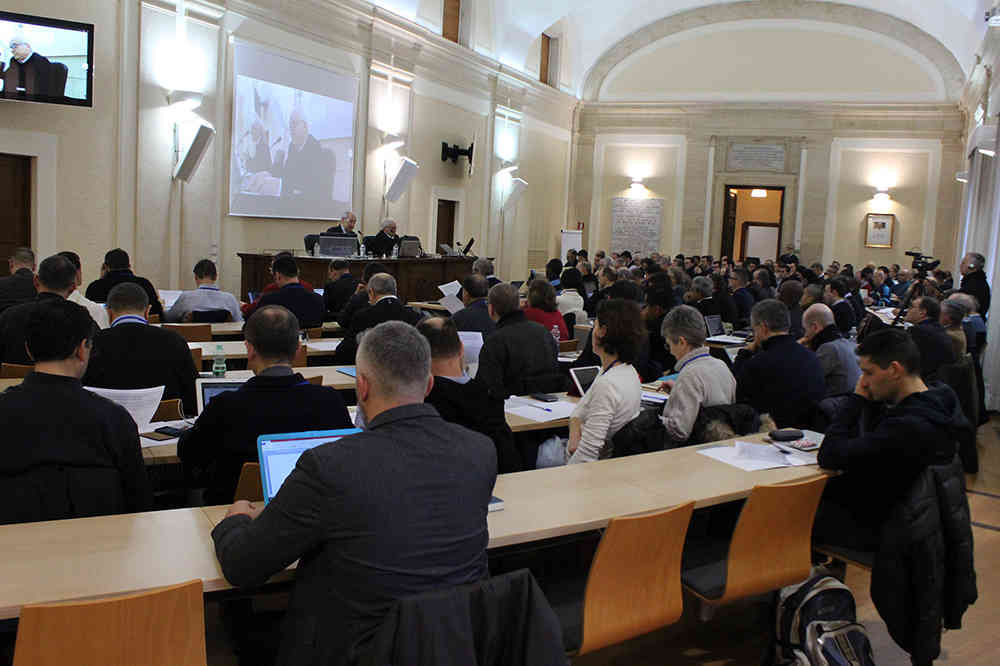
Onde também está o link para o download dos livros.Stadtbibliothek am Mailänder Platz - Biblioteca Municipal de Stuttgart, Alemanha

E são obras de publicação recente e temas relevantes para os estudos bíblicos.

Por exemplo, livros publicados em:

2023 – 22
2022 – 26
2021 – 26
2020 – 23
2019 – 28
2018 – 27
2017 – 28
2016 – 31
2015 – 30
2014 – 33
2013 – 54
2012 – 58
2011 – 50
2010 – 44
2009 – 41
2008 – 42
2007 – 33
2006 – 37
2005 – 44
2004 – 28
2003 – 26
2002 – 11
2001 – 8
2000 – 7

Confira.

Considerar humanos e não humanos como sujeitos de direitos

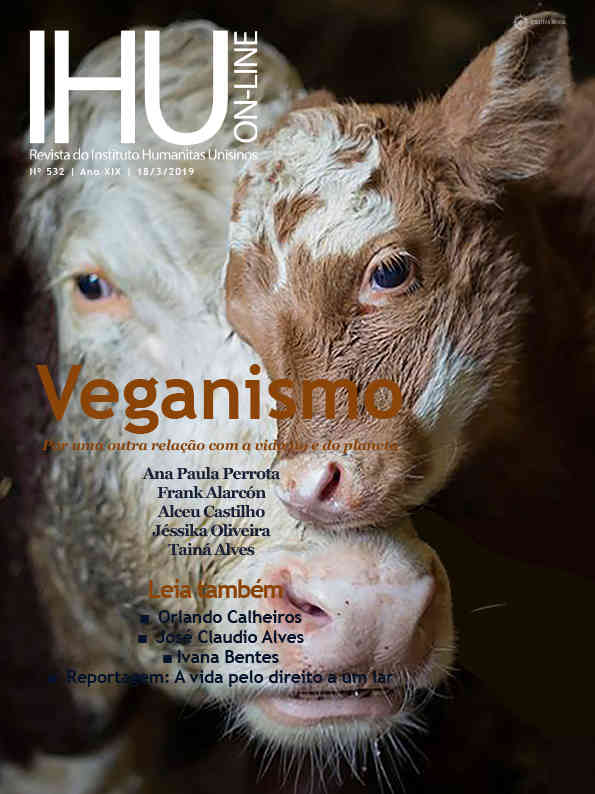
Em linhas gerais, o veganismo consiste num projeto epistemológico, político e individual que tem como objetivo principal a reivindicação de que a vida de humanos e animais seja igualmente protegida e considerada como inviolável. Ou seja, reivindica-se que assim como os humanos os animais também sejam sujeitos de direitos (Ana Paula Perrota).

Veganismo. Por uma outra relação com a vida no e do planeta – Revista IHU On-Line 532 – 18 Março 2019

Veganismo. Por uma outra relação com a vida no e do planeta - Revista IHU On-Line 532 - 18 Março 2019

O ex-Beatle Paul McCartney cunhou uma frase que se tornou célebre ao afirmar que, se os matadouros tivessem vidros em vez de paredes, as pessoas não comeriam carne. Muitos adeptos do veganismo acolhem essa como uma afirmação para indicar a violência que envolve os abates. Entretanto, ser vegano é mais do que não comer carne em razão da forma como os animais são mortos, é uma recusa a todo o sofrimento a que os animais são sujeitados não somente para a produção de comida, mas para qualquer bem de consumo. É também não humanizar os bichos, respeitando-os como parte de um projeto comum.

A revista IHU On-Line debate o tema nesta edição com especialistas de diversas áreas do conhecimento.

Leia Mais:
Cada dia mais pessoas acreditam que os animais importam tanto como seres humanos

A ortopraxia supera a ortodoxia: Francisco, seis anos depois

O foco de Francisco na mensagem simples do Evangelho é bastante ameaçador para aqueles católicos que confundem teologia com fé. A teologia é o modo como explicamos a fé para nós e para os outros… Francisco está preocupado sobretudo com o modo como vivemos a fé, mais do que como a explicamos. A ortopraxia supera a ortodoxia.

Francisco, seis anos depois: que há de bom, de mau e de misericordioso. Artigo de Thomas Reese – IHU On-Line – 14 Março 2019

Há seis anos, no dia 13 de março, o Colégio dos Cardeais surpreendeu o mundo com a eleição do jesuíta argentino Jorge Bergoglio como papa. Assumindo o nome de Francisco, ele conquistou a admiração e o respeito de católicos e não católicos com sua simplicidade e preocupação com os pobres e marginalizados. A cada ano que passa, porém, as críticas ao papa se tornam mais expressivas, especialmente por parte da direita católica, que pensa que ele está rompendo com o ensino tradicional da Igreja, e da direita política, que não gosta das suas opiniões sobre o aquecimento global, a imigração e a justiça social. Francisco também tem sido incapaz de satisfazer aqueles que dizem que a resposta da hierarquia católica aos abusos sexuais do clero foi inadequada. Eu sou um grande fã de Francisco, em parte porque eu acho que qualquer avaliação dos seus primeiros seis anos como papa mostra que suas conquistas superam as suas falhas.

O comentário é do jesuíta estadunidense Thomas J. Reese, ex-editor-chefe da revista America, dos jesuítas dos Estados Unidos, de 1998 a 2005.

The good, the bad and the merciful: Pope Francis after six years – By  Thomas J. Reese – Religion News Service – March 12, 2019

Six years ago, on March 13, the College of Cardinals surprised the world with the election of the Argentine Jesuit Jorge Bergoglio as pope. Taking the name Francis, he won the admiration and respect of Catholics and non-Catholics alike with his simplicity and concern for the poor and marginalized. With each passing year, however, criticism of the pope has become more vocal, especially from the Catholic right, who think he is breaking with traditional church teaching, and the political right, who don’t like his views on global warming, immigration and social justice. Francis has also been unable to satisfy those who say the Catholic hierarchy’s response to the clergy sex abuse crisis has been inadequate. I am a big fan of Pope Francis, in part because I think that any evaluation of his first six years as pope shows that his accomplishments outweigh his failings.

Livro de Israel Finkelstein sobre Esdras, Neemias e Crônicas

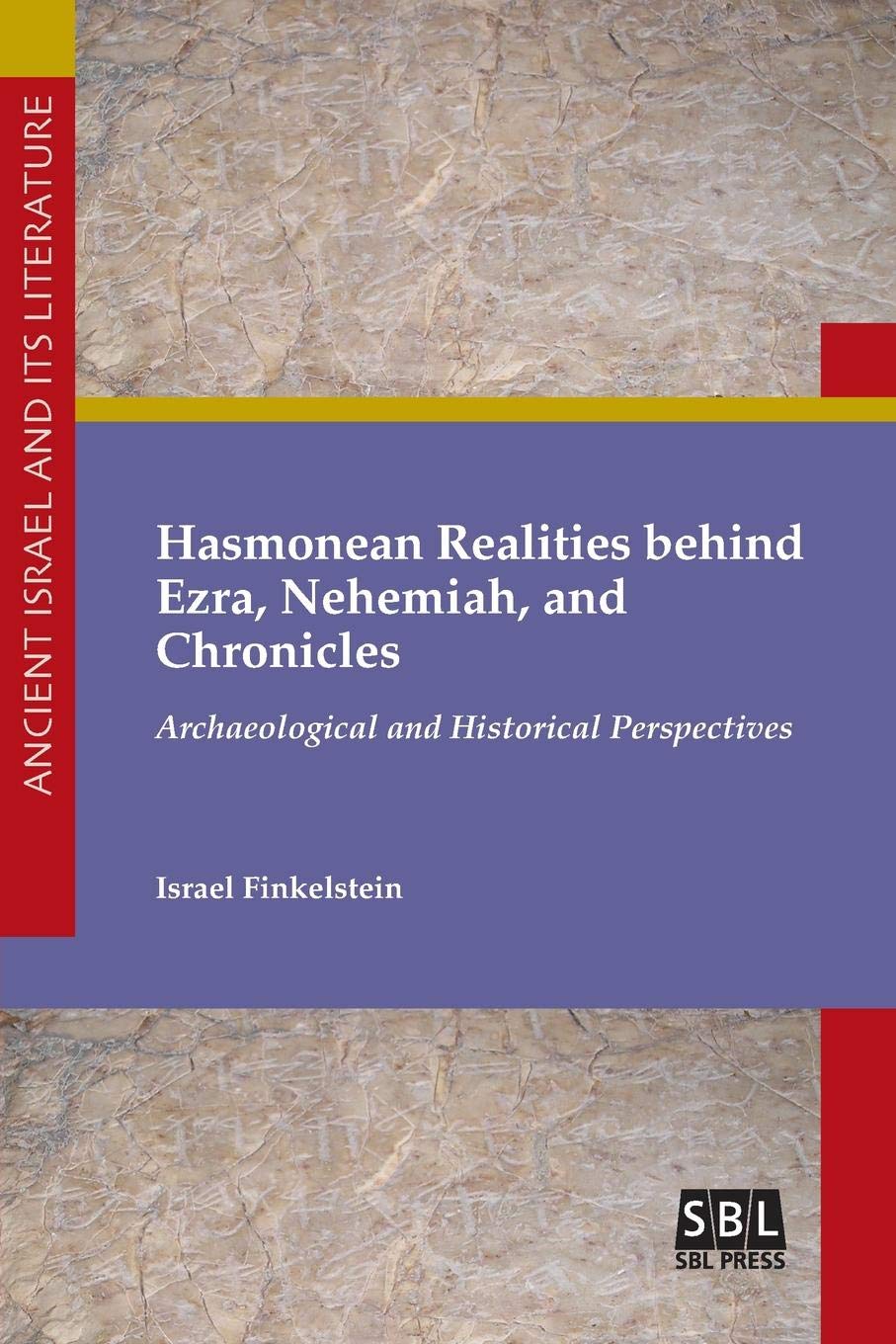
FINKELSTEIN, I. Hasmonean Realities behind Ezra, Nehemiah, and Chronicles: Archaeological and Historical Perspectives. Atlanta: SBL Press, 2018, 222 p. – ISBN 9780884143079.

FINKELSTEIN, I. Hasmonean Realities behind Ezra, Nehemiah, and Chronicles: Archaeological and Historical Perspectives. Atlanta: SBL Press, 2018, 222 p.

 
In this collection of essays, Israel Finkelstein deals with key topics in Ezra, Nehemiah, and 1 and 2 Chronicles, such as the list of returnees, the construction of the city wall of Jerusalem, the adversaries of Nehemiah, the tribal genealogies, and the territorial expansion of Judah in 2 Chronicles. Finkelstein argues that the geographical and historical realities cached behind at least parts of these books fit the Hasmonean period in the late second century BCE. Seven previously published essays are supplemented by maps, updates to the archaeological material, and references to recent publications on the topics.

Entre 2008 e 2015 Israel Finkelstein publicou 7 artigos nos quais abordou textos dos livros de Esdras, Neemias e 1 e 2 Crônicas. Estes textos falam da lista dos que voltaram do exílio babilônico, da construção das muralhas de Jerusalém, dos adversários de Neemias, das genealogias tribais e da expansão territorial de Judá. Finkelstein argumenta que a realidade geográfica e histórica que aparece em pelo menos parte desses livros aponta para a época dos Macabeus, no final do século II a.C. Reunidos neste livros, os sete ensaios são complementados por mapas, material arqueológico atualizado e referências a publicações recentes sobre os tópicos tratados.

Introduction
Over the last decade, I published seven articles concerning texts in the books of Ezra, Nehemiah, and Chronicles. They deal with the construction of Jerusalem’s city wall, described in Neh 3; the lists of returnees in Ezra 2:1–67 and Neh 7:6–68; the adversaries of Nehemiah; the genealogies in 1 Chr 2–9; the towns fortified by Rehoboam according to 2 Chr 11:5–12; and the unparallel accounts in 2 Chronicles that relate the expansion of Judah. An additional article gives an overview of the territorial extent of Yehud/Judea in the Persian and Hellenistic periods.

1. Jerusalem in the Persian (and Early Hellenistic) Period and the Wall of Nehemiah
Knowledge of the archaeology of Jerusalem in the Persian (and early Hellenistic) period—the size of the settlement and whether it was fortified—is crucial to understanding the history of the province of Yehud, the reality behind the book of Nehemiah, and the process of compilation and redaction of certain biblical texts. It is therefore essential to look at the finds free of preconceptions (which may stem from the account in the book of Nehemiah) and only then attempt to merge archaeology and text.

2. Archaeology and the List of Returnees in the Books of Ezra and Nehemiah
In the first chapter I questioned Neh 3’s description of the construction of the Jerusalem wall in the light of the archaeology of Jerusalem in the Persian period. The finds indicate that the settlement was small and poor. It covered an area of circa 2–2.5 hectares and was inhabited by four hundred–five hundred people. The archaeology of Jerusalem shows no evidence for construction of a wall in the Persian period or renovation of the ruined Iron II city wall. I concluded with three alternatives for understanding the discrepancy between the biblical text and the archaeological finds…

3. The Territorial Extent and Demography of Yehud/Judea in the Persian and Early Hellenistic Periods
The territorial extent of Persian-period Yehud and Hellenistic Judea and estimates of their population are major issues in current research, with far-reaching implications for dating the composition of several biblical works. Recent research on the Yehud seal impressions and my own work on geographical lists in the books of Ezra and Nehemiah raise new questions and call for a fresh treatment of both issues.

4. Nehemiah’s Adversaries
In chapters 1 and 2, I proposed to identify the geographical, archaeological, and historical realities behind the list of builders of the wall in Neh 3:1–32 and the list of returnees in Neh 7:6–68 (and Ezra 2:1–67) in Hasmonean times. Placing the Neh 3 list in the Hellenistic period should not affect the dating of the Nehemiah Memoir—the backbone of the book. Construction of the wall is a major theme in the Nehemiah Memoir. The reality behind it may be sought in work conducted on the original mound of Jerusalem, which was located on the Temple…

5. The Historical Reality behind the Genealogical Lists in 1 Chronicles
The genealogical lists of “the sons of Israel” in 1 Chr 2–9 have been the focus of intensive research from the beginning of modern biblical scholarship. Among other topics, research has centered on the origin of the lists, their purpose, their relationship to other parts of the books of Chronicles and their date. Most scholars agree that the genealogical lists form an independent block, a kind of introduction to history; opinions differ, however, on whether the lists belong to the work of the Chronicler or if they were added after the main substance of the book had already been…

6. Rehoboam’s Fortified Cities (2 Chr 11:5–12)
A list of cities ostensibly fortified by Rehoboam appears in 2 Chr 11:5–12, with no parallel in the book of Kings. Many scholars have dealt with this short account, in efforts to establish its date, geographical setting, and place in the Chronicler’s description of the reign of Rehoboam. Regarding chronology, researchers have suggested dating the list to the time of Rehoboam, as related in the text, or to a later date in the history of Judah: the days of Hezekiah or Josiah. Regarding the geographical background, scholars have attempted to understand the function of the towns mentioned in the…

7. The Expansion of Judah in 2 Chronicles
The land of Israel and territorial gains and losses are major themes in Chronicles. The period of David and Solomon is conceived as the ideal rule of Jerusalem over the entire area inhabited by the Hebrews. After the “division” of the monarchy, 2 Chronicles pays much attention to the gradual territorial growth of Judah, aimed at restoring Jerusalem’s rule over the entire land of Israel. This expansion—undertaken during the reign of a few monarchs—is described in several sections that do not appear in the books of Kings. Scholars have been divided on the historical reliability of these “unparallel”…

Conclusions
The geographical setting portrayed by the texts discussed in this book and the archaeology of the sites mentioned in them reflect realities in the second half of the second century BCE—in Hasmonean times. The literary genre of these materials and the ideology behind them also fit Hasmonean literature. The main conclusions of the seven chapters are as follows. Nehemiah’s Wall: There are no Persian or early Hellenistic fortifications in Jerusalem to fit the Neh 3 description of a city wall with numerous gates and towers surrounding a large city. Furthermore, the depleted population of Yehud could not have supported…

Israel Finkelstein

The original articles included in this book are listed below in the order in which they appear here:

“Jerusalem in the Persian (and Early Hellenistic) Period and the Wall of Nehemiah.” JSOT 32 (2008): 501–20.

“Archaeology of the List of Returnees in the Books of Ezra and Nehemiah.” PEQ 140 (2008): 7–16.

“The Territorial Extent and Demography of Yehud/Judea in thePersian and Early Hellenistic Periods.” RB 117 (2010): 39–54.

“Nehemiah’s Adversaries: A Hasmonaean Reality?” Transeu 47(2015): 47–55.

“The Historical Reality behind the Genealogical Lists in 1 Chronicles.” JBL 131 (2012): 65–83.

“Rehoboam’s Fortified Cities (II Chr 11, 5–12): A Hasmonean Reality?” ZAW 123 (2011): 92–107.

“The Expansion of Judah in II Chronicles: Territorial Legitimation for the Hasmoneans?” ZAW 127 (2015): 669–95.

Israel Finkelstein trata do mesmo assunto em um seminário, em setembro de 2018, na Faculdade Teológica de Zurique, Suíça. Disponível em vídeo, com legendas em inglês:

Hasmonean Realities behind Ezra, Nehemiah and Chronicles? The Archeological Perspective – Seminar von Prof. Dr. Israel Finkelstein an der Theologischen Fakultät Zürich. 13. September 2018.


Desmascarando a ideologia neoliberal na interpretação bíblica

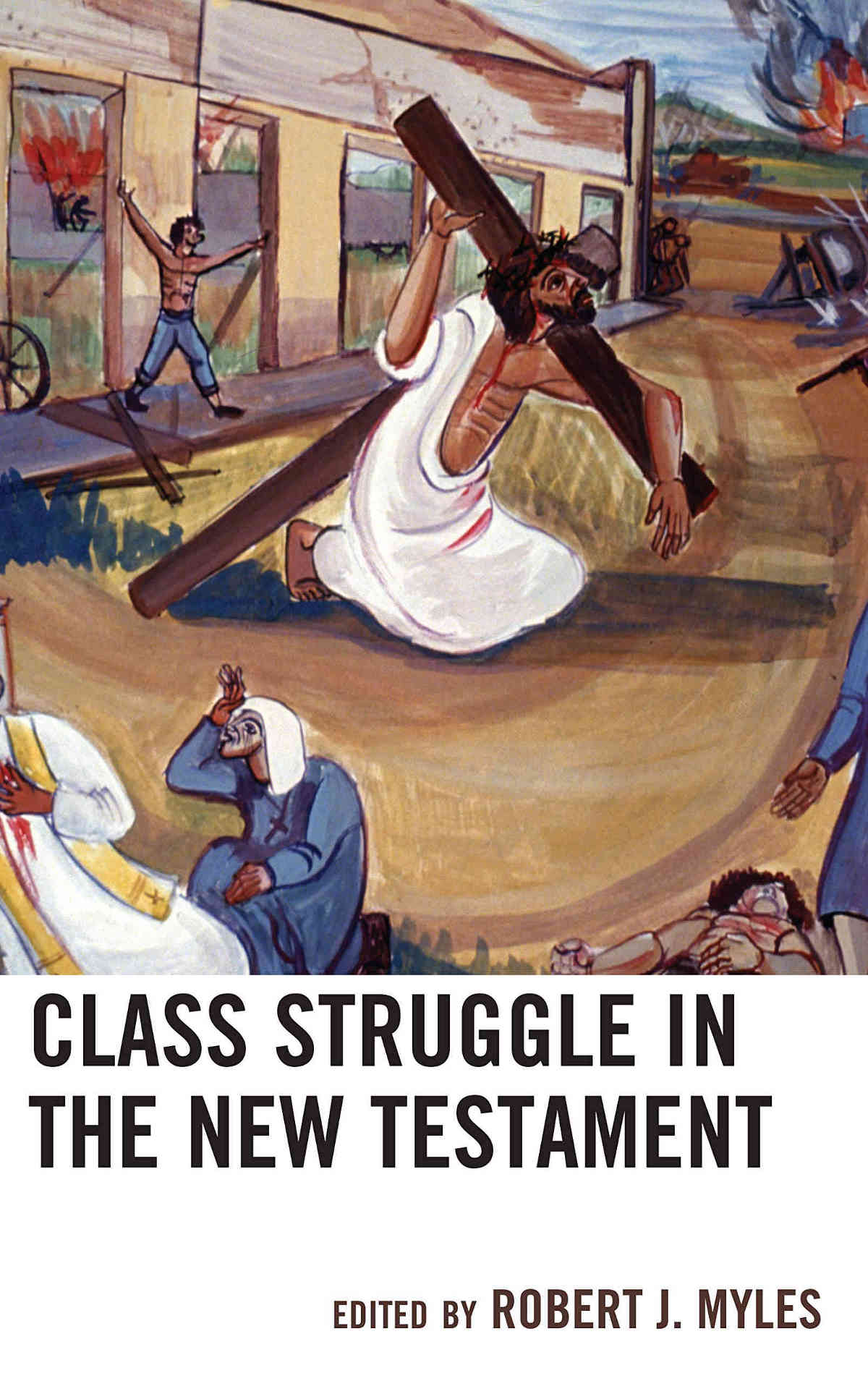
O capítulo 6 do livro Luta de classes no Novo Testamento foi publicado pela revista online The Bible and Interpretation.

Fishing for Entrepreneurs in the Sea of Galilee? Unmasking Neoliberal Ideology in Biblical Interpretation – By Robert J. Myles, Murdoch University, Perth, Australia

MYLES, R. J. (ed.) Class Struggle in the New Testament. Lanham, MD: Lexington Books/Fortress Academic, 2019.

Rather than emphasize the fishermen’s moral decision to follow Jesus and its associated economic cost, I implore we instead read these narratives as embedded within a broader context of widespread social upheaval and as gesturing towards unrest among the lower classes.

Em vez de enfatizar a decisão moral dos pescadores de seguir Jesus e seu custo econômico associado, sugiro que leiamos essas narrativas inseridas em um contexto mais amplo de agitação social generalizada e como gestos de insatisfação existente entre as classes mais baixas.

Sobre a arqueologia da Palestina

Biblical Archaeology: The Study of Biblical Sites & Artifacts

By Owen Jarus, Live Science Contributor | February 22, 2019

While the definition of biblical archaeology varies from scholar to scholar, it generally includes some combination of archaeology and biblical studies (…) “Specifically, it is archaeology that sheds light on the stories, descriptions, and discussions in the Hebrew Bible and the New Testament from the early second millennium [B.C.], the time of Abraham and the Patriarchs, through the Roman period in the early first millennium [A.D.],” Cline wrote in his book “Biblical Archaeology: A Very Short Introduction” (Oxford University Press, 2009). Some scholars extend the geographical area that biblical archaeology covers to include Egypt, Mesopotamia and Sudan (…)  Some archaeologists prefer not to use the phrase “biblical archaeology” out of concern that it sounds unscientific (continua).