Morreu ontem, aos 93 anos, o grande especialista em grego do Novo Testamento, Bruce Manning Metzger, professor emérito do Princeton Theological Seminary. Seus muitos textos todos nós usamos. Sua memória, reverenciamos.
Bruce Manning Metzger
O Dr. Bruce M. Metzger, crítico textual, estudioso bíblico e tradutor bíblico de renome internacional, professor emérito de Novo Testamento no Seminário Teológico de Princeton e ex-presidente da SBL (1971), faleceu em 13 de fevereiro de 2007 em sua casa em Princeton, aos 93 anos.
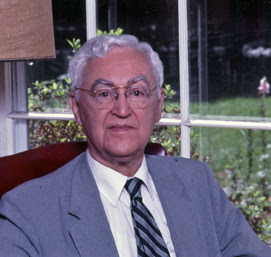 Nascido em 9 de fevereiro de 1914 em Middletown, Pensilvânia, Metzger frequentou o Lebanon Valley College (bacharelado em 1935), onde estudou grego e crítica textual, e o Seminário Teológico de Princeton (bacharelado em teologia, 1938, mestrado em teologia, 1939), onde teve como professores Henry S. Gehman, W. A. Armstrong, Otto Piper e Emil Brunner, antes de iniciar seus estudos de doutorado em estudos clássicos e patrística na Universidade de Princeton (mestrado em artes, 1940, doutorado em filosofia, 1942). Ele foi ordenado em 1939 pelo Presbitério de New Brunswick (atual Presbitério dos Estados Unidos).
Durante seus quarenta e seis anos de carreira no Seminário Teológico de Princeton (1938-1984), que culminou com sua nomeação como Professor George L. Collard de Língua e Literatura do Novo Testamento (1964-1984; Emérito, 1984-), Metzger lecionou para mais alunos do que qualquer outra pessoa na história do seminário (entre eles, David Noel Freedman, para citar um dos primeiros, e Bart Ehrman e eu, para citar dois dos últimos). Metzger também foi pesquisador ou membro visitante em nove instituições (incluindo o Wolfson College, Oxford, o Clare College, Cambridge, e o Instituto de Estudos Avançados de Princeton), apresentou palestras acadêmicas em mais de cem instituições em seis continentes e ministrou mais de 2.500 sermões ou estudos em igrejas pertencentes a uma ampla variedade de denominações.
Reconhecido internacionalmente como um dos principais críticos textuais do Novo Testamento, Metzger foi indiscutivelmente o maior especialista em textos e tradutor bíblico que os Estados Unidos já produziram. Entre suas muitas publicações, destaca-se sua trilogia sobre o texto, as versões e o cânone do Novo Testamento. A obra mais influente é seu manual sobre o Texto do Novo Testamento (1964; traduções incluem alemão, japonês, coreano, chinês, italiano e russo; 3ª ed. ampliada, 1992; 4ª ed. com Bart Ehrman, 2005), do qual várias gerações de críticos textuais aprenderam sua arte. Apresentou (de forma genuinamente equilibrada e pedagogicamente útil) os fundamentos do que mais tarde seria chamado de “ecletismo racional”, a abordagem dominante na disciplina atualmente (sua influência em relação à metodologia foi ainda mais ampliada por um Comentário Textual sobre o Novo Testamento Grego). Sem rival na área, e um exemplo notável do amplo e enciclopédico conhecimento de Metzger, é sua obra *Early Versions of the New Testament* (1977), que examina não apenas as principais versões esperadas, mas também muitas versões menores (por exemplo, trácia e sogdiana). *The Canon of the New Testament* (1987) combina uma atenção cuidadosa e erudita a questões históricas com uma preocupação com questões e implicações teológicas — outra característica tipicamente metzgeriana.
O reconhecimento de Metzger como um dos principais críticos textuais do Novo Testamento deve-se também ao seu papel influente como membro do comitê editorial responsável inicialmente por *The Greek New Testament* e posteriormente por *Nestlé-Åland Novum Testamentum Graece*, bem como ao seu envolvimento e liderança no Projeto Internacional do Novo Testamento Grego (1948-1984).
A amplitude da erudição de Metzger é mais visível em suas centenas de artigos, que abrangem crítica textual, filologia, paleografia e papirologia, temas clássicos, religiões greco-romanas, a Bíblia Hebraica, os Apócrifos, o Novo Testamento, patrística, história da igreja primitiva e tradução bíblica (para citar apenas as principais áreas). Além disso, ele publicou (em pelo menos duas dezenas de periódicos) resenhas de centenas de livros escritos em oito idiomas. Mestre no detalhamento bibliográfico, Metzger encontrava referências reveladoras em fontes cuja existência desconhecíamos (veja, por exemplo, p. 271, nota 28, na última edição do Texto do Novo Testamento). Em um feito notável, Metzger publicou em oito décadas diferentes: seu primeiro artigo foi publicado em 1938 e seu livro mais recente em 2006.
Tanto no meio acadêmico quanto no popular, Metzger era conhecido por seu envolvimento (desde 1952) com as traduções da RSV e, especialmente, da NRSV. De 1977 a 1990, ele foi presidente do Comitê de Tradutores da NRSV e foi o principal responsável por sua publicação. Sua associação com a RSV e a NRSV ganhou ainda mais visibilidade por sua atuação como editor de diversas Bíblias de estudo e ferramentas baseadas nessas traduções, bem como por sua atuação como presidente do Comitê de Tradução da Sociedade Bíblica Americana de 1964 a 1970. Mais controversa (ele recebeu uma enorme quantidade de correspondências, tanto a favor quanto contra), mas bastante típica da preocupação de Metzger em promover a leitura da Bíblia, foi sua atuação como editor da Bíblia condensada do Reader’s Digest (1982). Ele sentiu grande satisfação com a expansão da NRSV para incluir todos os textos considerados canônicos pelos cristãos católicos romanos, ortodoxos gregos e protestantes, e teve o prazer de presentear o Papa João Paulo II e Sua Santidade Demétrio com cópias da mesma.
Entre os muitos prêmios, distinções, honrarias e reconhecimentos acadêmicos de Metzger, destacam-se os títulos honorários de sua alma mater, o Findlay College, da Universidade de St. Andrews, da Universidade de Münster/Vestfália e da Universidade de Potchefstroom; as presidências da Studorium Novi Testamenti Societas (1971-1972), da Society of Biblical Literature (1971), da North American Patristic Society (1972) e da Society for Textual Scholarship (1995); e três Festschriften. Destacam-se, em particular, a eleição de Metzger em 1978 como Membro Correspondente da Academia Britânica (a mais alta honraria concedida a não residentes no Reino Unido) e o recebimento, em 1994, da prestigiosa Medalha F. C. Burkitt de Estudos Bíblicos (sendo apenas o terceiro americano a receber tal honraria). Como observou Iain Torrence, atual presidente do Seminário, “o brilhantismo, a clareza e a devoção cristã de Bruce Metzger estabeleceram um padrão próprio”.
Contudo, apesar de todas as suas conquistas acadêmicas e renome internacional, Bruce é lembrado com carinho por muitos, tanto ou mais, por sua personalidade e caráter. Amigável, modesto e discreto, sempre cortês e gentil, ele demonstrava genuíno interesse por seus alunos, era uma fonte de incentivo para colegas e jovens acadêmicos e apreciava profundamente suas inúmeras palestras em igrejas ao redor do mundo. Ele tinha o dom de sempre encontrar algo de bom para dizer sobre uma pessoa ou um livro, um senso de humor cativante e uma fonte aparentemente inesgotável de anedotas divertidas. Embora tendesse a evitar falar de si mesmo, tinha algumas histórias notáveis para contar (muitas delas foram finalmente contadas em suas “Reminiscências de um Octogenário” [1997]), algumas das quais bastante encantadoras: certa vez, admitiu, um pouco envergonhado, ter estudado vocabulário siríaco em vez de prestar atenção à aula de Educação Cristã enquanto era seminarista. Um reflexo de seu caráter era sua maneira peculiar de dar conselhos: certa vez, quando eu estava com dúvidas sobre um projeto que havia aceitado para uma editora, consultei Bruce, que, depois de ouvir atentamente os detalhes do assunto, pensou por um instante e respondeu: “Às vezes é bom não ser humilde demais” — incentivando-me a “seguir em frente” e, ao mesmo tempo, lembrando-me de manter a questão em uma perspectiva mais ampla. Ele fará muita falta a todos que o conheceram, seja como colega, professor, mentor ou amigo.
Bruce Metzger deixa sua esposa, Isobel Elizabeth (filha de John Alexander Mackay, o terceiro presidente do Seminário), e seus filhos, John Mackay Metzger e James Bruce Metzger.
Michael W. Holmes, Bethel University
Fonte: SBL Forum
Dr. Bruce M. Metzger, the internationally renowned textual critic, bible scholar, and biblical translator, New Testament professor emeritus at Princeton Theological Seminary, and past President of the SBL (1971), died on February 13, 2007 at his home in Princeton at the age of 93.
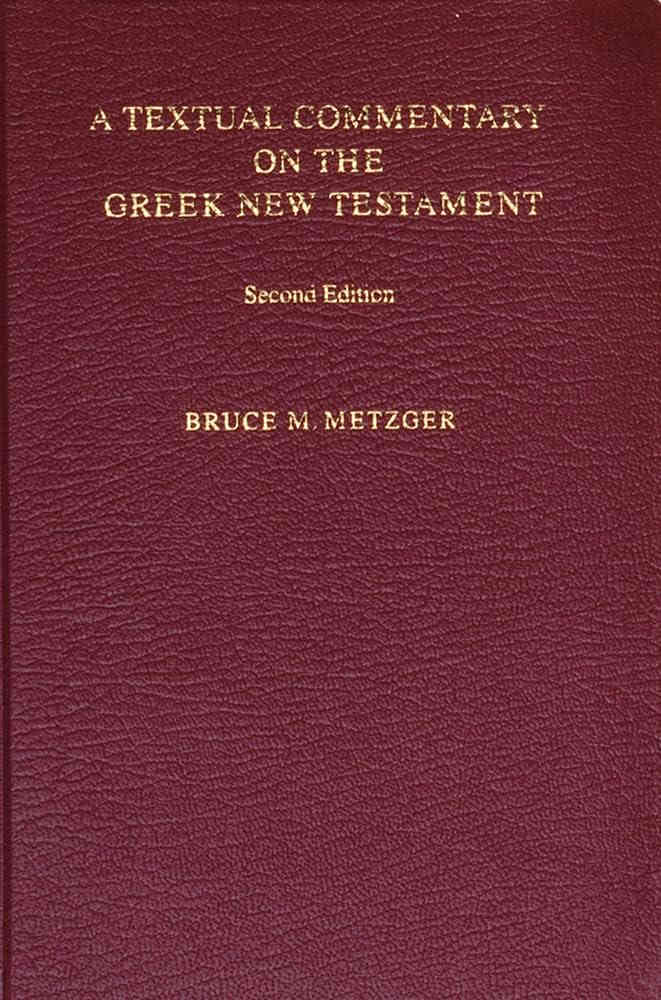 Born on February 9, 1914 in Middletown, Pennsylvania, Metzger attended Lebanon Valley College (AB, 1935), where he first studied Greek and textual criticism, and Princeton Theological Seminary (Th.B., 1938, Th.M., 1939), where his teachers included Henry. S. Gehman, W. A. Armstrong, Otto Piper, and Emil Brunner, prior to doctoral studies in classics and patristics at Princeton University (MA, 1940, Ph.D., 1942). He was ordained in 1939 by the Presbytery of New Brunswick (now PC[USA]).
During a forty-six year career at Princeton Theological Seminary (1938-1984), which was capped by his appointment as George L. Collard Professor of New Testament Language and Literature (1964-1984; Emeritus, 1984-), Metzger taught more students than anyone else in the seminary’s history (among them were David Noel Freedman, to mention one of the very first, and Bart Ehrman and myself, to mention two of the last). Metzger was also a visiting scholar or fellow at nine institutions (including Wolfson College, Oxford, Clare College, Cambridge, and the Institute for Advanced Study, Princeton), presented academic lectures at more than one hundred institutions on six continents, and delivered more than 2500 sermons or studies in churches belonging to a wide variety of denominations.
Internationally recognized as a leading NT textual critic, Metzger was arguably the greatest textual specialist and biblical translator America has produced. Among his many publications, pride of place belongs to his trilogy on the text, versions, and canon of the NT. Most widely influential is his handbook on The Text of the New Testament (1964; translations include German, Japanese, Korean, Chinese, Italian, and Russian; 3d, enl. ed. 1992; 4th ed. with Bart Ehrman, 2005), from which multiple generations of textual critics learned their craft. It presented (in a genuinely balanced and pedagogically useful form) the essentials of what would later be termed “reasoned eclecticism,” the dominant approach in the discipline today (his influence with regard to methodology was extended even more widely by A Textual Commentary on the Greek New Testament). Without rival in the field, and an outstanding example of Metzger’s wide-ranging and encyclopedic knowledge, is his Early Versions of the New Testament (1977), which surveys not only the expected major versions, but also many minor ones (e.g., Thracian and Sogdian). The Canon of the New Testament (1987) combines careful and erudite attention to historical matters with a concern for theological questions and implications — another typically Metzgerian characteristic.
Metzger’s recognition as a leading NT textual critic is due also to his influential role as a member of the editorial committee responsible initially for The Greek New Testament and later for the Nestle-Aland Novum Testamentum Graece, and also his involvement in, and leadership of, the International Greek New Testament Project (1948-1984).
The full breadth of Metzger’s scholarship is most visible in his hundreds of articles, which cover textual criticism, philology, palaeography and papyrology, classical topics, Greco-Roman religions, the Hebrew Bible, the Apocrypha, the New Testament, patristics, early church history, and Bible translation (to name only the major areas). In addition he has published (in at least two dozen journals) reviews of hundreds of books written in eight languages. A master of bibliographic detail, Metzger would find that telling reference in sources the rest of us did not know existed (see, e.g., p. 271 n. 28 in the latest edition of the Text of the NT). In a remarkable feat, Metzger published in eight different decades: his first article appeared in 1938, and his most recent book in 2006.
On both academic and popular levels, Metzger was well-known for his involvement (since 1952) with the RSV and especially NRSV translations. From 1977-1990 he was Chair of the Committee of Translators for the NRSV, and was largely responsible for seeing it through the press. His association with the RSV and NRSV was given additional visibility by his editorship of various study Bibles and tools based on these translations, as well as his service as Chair of the Committee on Translation of the American Bible Society 1964-1970. More controversial (he received huge amounts of mail, pro et contra), but quite typical of Metzger’s concern to promote Bible reading, was his editorship of the condensed Reader’s Digest Bible (1982). He took great satisfaction in the expansion of the NRSV to include all the texts viewed as canonical by Roman Catholic, Greek Orthodox, and Protestant Christians, and was pleased to present copies of it to both Pope John Paul II and His All Holiness Demetrios.
Metzger’s many awards, prizes, honors, and academic recognitions include honorary degrees from his alma mater, Findlay College, University of St. Andrews, University of Münster/Westfalia, and University of Potchefstroom; the presidencies of Studorium Novi Testamenti Societas (1971-1972), the Society of Biblical Literature (1971), the North American Patristic Society (1972), and the Society for Textual Scholarship (1995); and three Festschriften. Of particular note are Metzger’s election in 1978 as Corresponding Fellow of the British Academy (its highest honor for those not residents of the UK), and the receipt in 1994 of its prestigious F. C. Burkitt Medal for Biblical Studies (only the third American so honored). As Iain Torrence, the Seminary’s current President, observed, “Bruce Metzger’s sheer brilliance, clarity and Christian devotion set a standard all of his own.”
Yet for all his academic achievements and international renown, Bruce is warmly remembered by many as much or more for his personality and character. Friendly, modest, and self-effacing, seemingly always courteous and gracious, he took a genuine interest in his students, was a source of encouragement to colleagues and younger scholars alike, and deeply enjoyed his many speaking engagements in churches throughout the world. He had a knack of always finding something nice to say about a person or a book, an engaging sense of humor, and an apparently endless supply of amusing anecdotes. Though he tended to avoid talking about himself, he had some remarkable stories to tell (many were finally told in his Reminiscences of an Octogenarian [1997]), some of which were quite endearing: he once admitted, a bit sheepishly, to having studied Syriac vocabulary instead of listening to the lecture in a Christian Education class while a seminary student. Reflective of his character was his distinctive way of formulating advice: once when I was having second thoughts about a project I had agreed to undertake for a publisher, I consulted Bruce, who after listening attentively to the details of the matter, thought for a moment and replied, “Sometimes it’s good not to be too humble” — thereby both encouraging me to “go for it” while simultaneously reminding me to keep the matter in a larger perspective. He will be deeply missed by all who knew him, whether as colleague, teacher, mentor, or friend.
Bruce Metzger is survived by his wife Isobel Elizabeth (daughter of John Alexander Mackay, the third President of the Seminary), and his sons John Mackay Metzger and James Bruce Metzger.
Michael W. Holmes, Bethel University
Fonte: SBL Forum

Nosso consolo é saber e fazer bom uso do grande legado acadêmico que ele deixou.
Estou revendo o documentário “Descobrindo a Bíblia” e concluindo, com o prof. Denes, que ser um erudito do porte do senhor Metzger oferece, mesmo após a morte, um suporte acadêmico imensurável à academia em suas várias matizes funcionais. Quem quiser conhecer sua autoridade em Bíblia, pode ver o documentário citado. É excelente. Foi distribuido no passado pela COMEV; infelizmente não é do nosso conhecimento que distribuidora detem esse título no momento. Profª. Lázara Coelho.
Profª. Lázara Coelho. está confundindo com Bruce Wilkinson.
O documentário "Descobrindo a Bíblia" de Bruce Wilkinson e Kenneth Boa, respondem às perguntas bíblicas básicas.
Descobrindo a Bíblia não é um comentário ou manual bíblico feito pelo erudito Bruce metzger, mas sim, por outro Bruce – O Wilkison -que nenhuma relação possui com o Metzger.
Sugiro a Profª Lázara, que tenha um pouco mais de atenção ao deixar algum comentário na rede.
Que Deus nos abençoe também através do conhecimento que deu ao mestre em grego "BRUCE METZGER".
Pastor Nilton Marchiolli