11º Congresso de Arqueologia do Antigo Oriente Médio

Na Ludwig-Maximilians-Universität de Munique, Alemanha. De 3 a 7 de abril de 2018.

11th International Congress on the Archaeology of the Ancient Near East – ICAANE

The Organizing Committee on behalf of the LMU invites all scholars working on subjects related to Near Eastern Archaeology to participate in the 11th International Congress on the Archaeology of the Ancient Near East (ICAANE), which will take place at the LMU Munich (Ludwig-Maximilians-Universität München) from 3–7 April 2018.

The 11th ICAANE will cover all aspects of the archaeology of the Near East, from prehistoric to Islamic times, from archaeological fieldwork to art historical, historical and philological studies, as well as Cultural Heritage.

The Programme is organized in eight sections and themes:

1. Mobility in the Ancient Near East

2. Images in Context

3. Archaeology as Cultural Heritage

4. Engendering Near Eastern Archaeology

5. Societal Contexts of Religion

6. Shaping the Living Space

7. Field Reports

8. Islamic Archaeology

Eric Cline: uma introdução à história da arqueologia

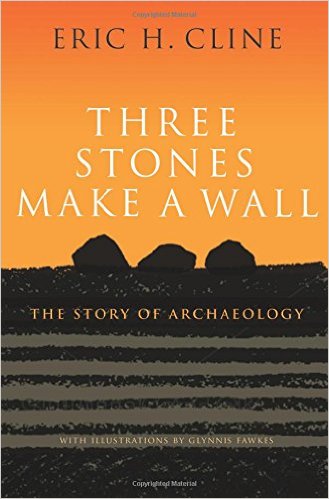
CLINE, E. H. Three Stones Make a Wall: The Story of Archaeology.  Princeton: Princeton University Press, 2017, 480 p. – ISBN 9780691166407.

CLINE, E. H. Three Stones Make a Wall: The Story of Archaeology. Princeton: Princeton University Press, 2017, 480 p.

In 1922, Howard Carter peered into Tutankhamun’s tomb for the first time, the only light coming from the candle in his outstretched hand. Urged to tell what he was seeing through the small opening he had cut in the door to the tomb, the Egyptologist famously replied, “I see wonderful things.” Carter’s fabulous discovery is just one of the many spellbinding stories told in Three Stones Make a Wall.

Written by Eric Cline, an archaeologist with more than thirty seasons of excavation experience, Three Stones Make a Wall traces the history of archaeology from an amateur pursuit to the cutting-edge science it is today by taking the reader on a tour of major archaeological sites and discoveries, from Pompeii to Petra, Troy to the Terracotta Warriors, and Mycenae to Megiddo and Masada. Cline brings to life the personalities behind these digs, including Heinrich Schliemann, the former businessman who excavated Troy, and Mary Leakey, whose discoveries advanced our understanding of human origins. The discovery of the peoples and civilizations of the past is presented in vivid detail, from the Hittites and Minoans to the Inca, Aztec, and Moche. Along the way, the book addresses the questions archaeologists are asked most often: How do you know where to dig? How are excavations actually done? How do you know how old something is? Who gets to keep what is found?

Taking readers from the pioneering digs of the eighteenth century to the exciting new discoveries being made today, Three Stones Make a Wall is a lively and essential introduction to the story of archaeology.

Sobre o autor:
Eric H. Cline is professor of classics and anthropology and director of the Capitol Archaeological Institute at George Washington University. An active archaeologist, he has excavated and surveyed in Greece, Crete, Cyprus, Egypt, Israel, Jordan, and the United States. His many books include 1177 B.C.: The Year Civilization Collapsed (Princeton).

Faça um tour virtual por Petra

A virtual trek through Petra with Google Cardboard

Natalie Brow
Interactive Designer Google Brand Studio 

 Jan 18, 2017

Last year, we launched a virtual tour of Petra and more than 30 historical sites across Jordan in Google Street View. The interactive Maps experience took visitors on an intimate journey into Jordan’s lost city of stone—and now, we’ve made this historic trek even more immersive with a 360º experience for Google Cardboard

We’ve used 360º mapping, aerial imagery and millions of photos stitched together, to recreate six of Petra’s most beautiful and iconic panoramas for you to explore. Audio narration, interactive hotspots and sound effects guide you as you follow the footsteps of the ancient Nabataeans. This 2000-year-old civilization miraculously transformed the harshest of deserts into an oasis of life and culture.

Petra

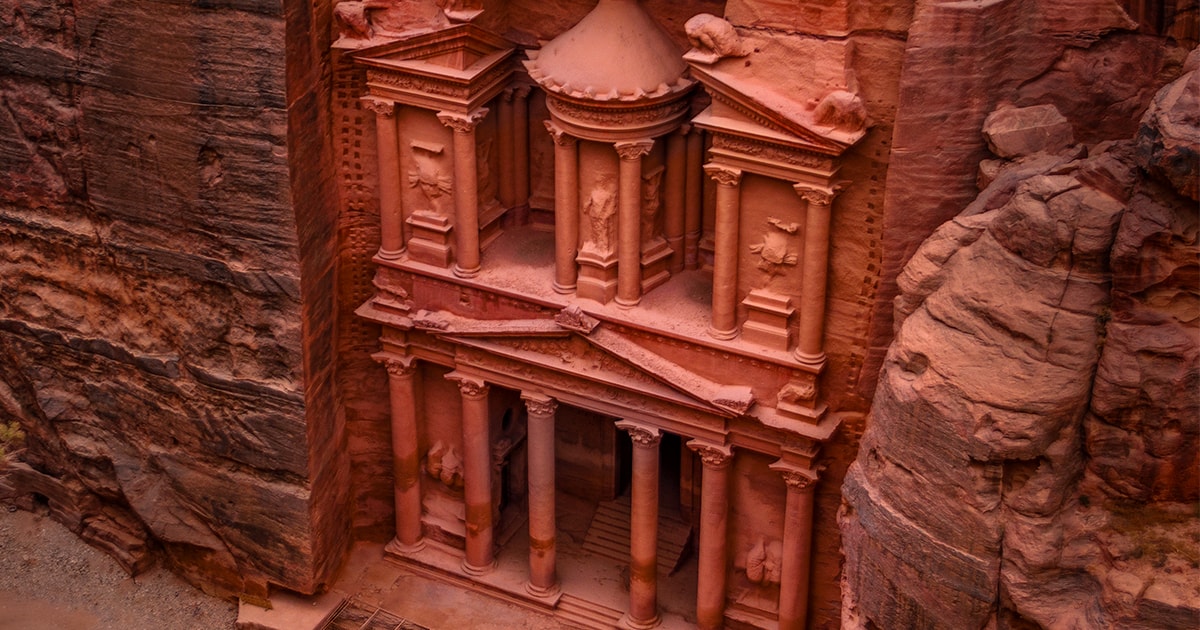
Wander through the winding pathway of Al Siq to the Treasury, Petra’s most famous landmark. Look all around in 360º to explore every detail of this elaborate carved facade recognizable from movies like “Indiana Jones” and “Transformers.”

Make your way past Petra’s carved theatre and hidden tombs until you reach Al Deir, or the Monastery. No trip to Petra is complete without staring up in awe at its grandeur. The doorway alone is eight meters tall!

Of course, nothing can compare to visiting Petra in real life. But now anyone with an internet connection can trek this remarkable UNESCO Heritage Site like never before—and we hope this 360º experience inspires a new generation of tourists to come to visit the rose-red city for themselves. Start your tour now on your mobile phone at g.co/PetraVR.

9 importantes descobertas arqueológicas em 2016

The 9 Biggest Archaeology Findings of 2016

By Owen Jarus – Live Science: December 26, 2016

Neste ano os arqueólogos desenterraram uma riqueza de tesouros que revelaram não apenas algumas práticas estranhas (como construir uma pirâmide dentro de uma pirâmide dentro de uma pirâmide), mas também alguns dos segredos de longa data de artefatos conhecidos. De novos Manuscritos do Mar Morto à múmia mais jovem já encontrada no Egito, a um complexo de pedra de 1.500 anos do tamanho de 200 campos de futebol americano ao túmulo de Jesus, aqui está um panorama das maiores histórias de arqueologia de 2016.

This year, archaeologists dug up a wealth of treasures that unveiled not only some strange practices (like building a pyramid within a pyramid within a pyramid) but also some of the long-held secrets of well-known artifacts. From new Dead Sea Scrolls to the youngest mummy ever found in Egypt, to a 1,500-year-old stone complex the size of 200 American football fields to the tomb of Jesus, here’s a look at the biggest archaeology stories of 2016.

Arqueologia e política: um papiro cita Jerusalém, mas…

Arqueólogos israelenses publicaram um fragmento de um papiro que, segundo eles, é a mais antiga referência hebraica a Jerusalém fora da Bíblia – uma descoberta da qual o governo rapidamente se apropriou para listar como evidência da conexão judaica com a cidade santa.

O pedaço de papiro, de 11 cm por 2,5 cm, datado pela Autoridade de Antiguidades de Israel como sendo do século 7 a.C., foi apresentado em uma conferência de imprensa em Jerusalém logo após a UNESCO ter aprovado uma resolução que, segundo Israel, negava a ligação do judaísmo com a antiga cidade, segundo relata a Reuters nesta quarta-feira (26). Duas linhas do texto, em hebraico, sugerem que o fragmento era parte de um documento que detalhava o pagamento de impostos ou a transferência de bens para armazéns em Jerusalém. “Da serva do rei, de Na’arat, jarros de vinho, para Jerusalém”, lê-se no papiro. As autoridades israelenses disseram que seus investigadores recuperaram o documento, descrito como “a mais antiga fonte extra-bíblica a mencionar Jerusalém em escrita hebraica”, depois que ele havia sido saqueado de uma caverna por ladrões de antiguidades. ​Para o governo de Israel, o papiro é uma refutação à UNESCO, organização científica e cultural da ONU (continua).

Sobre o desentendimento de Israel com a UNESCO, confira aqui.

No site da IAA – Israel Antiquities Authority – leia sobre o papiro: A Rare Document Mentioning the Name of Jerusalem from the Time of the First Temple was Exposed.

Porém, Christopher A. Rollston, da Universidade George Washington, pede cautela quanto ao papiro. Que pode até ser antigo, mas, a escrita, segundo ele, deve ser moderna. Portanto, podemos estar diante de uma fraude…

Leia:

The New ‘Jerusalem’ Papyrus: Not so Fast…  – Rollston Epigraphy: 26 October 2016

Ele faz 10 considerações em seu post. Destaco algumas:

II. There are some palaeographic and orthographic anomalies and inconsistencies in this papyrus inscription that are concerning and may suggest that it is modern, not ancient. Thus, again, Caveat Eruditus.

VIII. In short, to those wishing to declare that the letters on this papyrus inscription are ancient, I would say: ‘Not so fast!’

IX. Ultimately, I believe that there is a fair chance that although the papyrus itself is ancient the ink letters are actually modern…that is, this inscription is something that I would classify as a possible modern forgery.

Arqueologia do Antigo Oriente Médio: projeto de pesquisa

Da Apresentação:

O projeto de pesquisa Arqueologia do Antigo Oriente está vinculado à Área de Literatura e Religião do Mundo Bíblico, no Programa de Pós-Graduação em Ciências da Religião da Universidade Metodista de São Paulo. Até pouco tempo o seu responsável era o Prof. Dr. Milton Schwantes, de saudosa memória. Seu novo responsável é o Prof. Dr. José Ademar Kaefer.

Projeto de Pesquisa: Arqueologia do Antigo Oriente Médio

O projeto sofreu alguns ajustes e se concentra nos seguintes passos da pesquisa:

Primeiro: Pesquisamos os diversos sítios arqueológicos (telim) do Antigo Oriente, privilegiando os sítios principais de Israel e Jordânia. Para tanto, fazemos uso de bibliografia especializada sobre o assunto. É dada especial ênfase aos períodos históricos do Segundo e Primeiro milênios a.C.

Segundo: É elaborado um texto que é apresentado nos encontros, onde o tema é debatido e o texto melhorado.

Terceiro: O texto é levado a público através do presente site e atualizado regularmente a partir das viagens de estudos aos locais respectivos e a partir das novas descobertas arqueológicas. No site já se encontram várias contribuições.

Quarto: Fazemos viagens de estudos devidamente organizadas à região do Antigo Oriente, cuja finalidade é unicamente de estudo dos sítios (telim).

Quinto: No contato com os sítios através das viagens, o estudo é aprofundado e revisto, a pesquisa melhorada e nosso acervo de informações enriquecido.

Sexto: Publicação

KAEFER, José Ademar. Un Pueblo libre y sin reyes: La función de Gn 49 y Dt 33 en la composición del Pentateuco. ABE/44. Estella (Navarra): Editora Verbo Divino, 2006. ISBN 8481691925.

KAEFER, José Ademar e JARSCHEL, Haidi (orgs.). Dimensões sociais da fé no Antigo Israel – Uma homenagem a Milton Schwantes. São Paulo: Paulinas, 2007. ISBN 9788535605068.

KAEFER, José Ademar. Arqueologia das terras da Bíblia. São Paulo: Paulus, 2012. ISBN 9788534933773.

KAEFER, José Ademar. Arqueologia Bíblica, vol. 1 e 2. São Paulo: Verbo Filmes, 2012 (DVD).

KAEFER, José Ademar. Nova Bíblia Pastoral: Tradução e Comentários. São Paulo: Paulus, 2014. ISBN 9788534936002.

KAEFER, José Ademar. A Bíblia a arqueologia e a história de Israel e Judá. São Paulo: Paulus, 2015. ISBN 9788534941549.

FINKELSTEIN, Israel. O reino esquecido – Arqueologia e história de Israel Norte – São Paulo: Paulus, 2015. ISBN 9788534942393
Arqueologia das terras da Bíblia

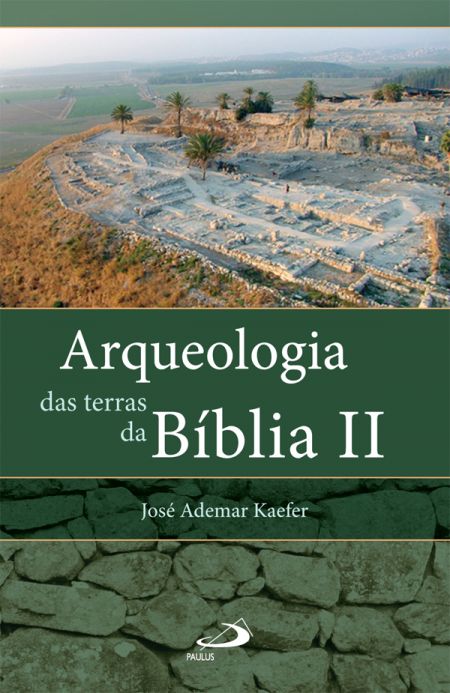
KAEFER, J. A. Arqueologia das terras da Bíblia II. São Paulo: Paulus, 2016, 136 p. – ISBN 9788534943109.

José Ademar Kaefer, Arqueologia das terras da Bíblia II


Este livro é fruto do trabalho do grupo de pesquisa “Arqueologia do Antigo Oriente Próximo”, que já há vários anos vem pesquisando os sítios arqueológicos das terras da Bíblia. O objetivo da pesquisa é trazer ao público da América Latina as recentes escavações e descobertas feitas nesses sítios, os quais são em sua grande parte cidades mencionadas na Bíblia, e assim enriquecer o estudo bíblico, unindo Bíblia e arqueologia. O  livro é, portanto, continuação  do  nosso primeiro livro, Arqueologia das terras da Bíblia, com a diferença de que aqui buscamos desenvolver um tema específico a partir dos sítios estudados. Esse tema é essencialmente o desenvolvimento de Israel Norte.

A pesquisa foi enriquecida com uma viagem de estudos aos sítios arqueológicos pesquisados, da qual participaram estudantes e professores de Bíblia. Em boa parte da viagem ficamos  hospedados em hotéis palestinos, como em Belém. A finalidade era, além dos melhores preços, solidarizar-nos com o povo palestino e obter uma visão mais heterogênea da região.

Acompanhou-nos nessa viagem a Verbo Filmes, a fim de registrar os locais pesquisados e  oferecer material visual aos leitores. O  resultado foi o terceiro vídeo do que aos poucos está se tornando uma série: Arqueologia Bíblica III.

O livro está dividido em três partes. A primeira apresenta um breve resumo das escavações recentes e suas descobertas nos principais sítios arqueológicos abordados no primeiro livro. A  segunda mostra o estudo de novos sítios, todos eles relacionados de uma ou outra forma a Israel Norte. São eles: Tel Jezreel, Rehov, Pella, Dã, Kuntillet ‘Ajrud e Khirbet Qeiyafa. A terceira parte traz duas longas entrevistas com dois dos mais importantes arqueólogos da atualidade no  mundo  da  Bíblia: Amihai  Mazar e Israel  Finkelstein. A primeira entrevista foi realizada na Universidade Hebraica de Jerusalém, e a segunda no Departamento de Arqueologia da Universidade de Tel Aviv.

Fonte: Introdução do livro

O livro está disponível também em formato digital. Confira a página do livro na Paulus. Para Kindle, clique aqui.

O túmulo de Aristóteles foi descoberto?

::  Arqueólogos gregos acreditam ter encontrado túmulo de Aristóteles – Opera Mundi: 26/05/2016

Arqueólogos gregos acreditam ter descoberto o túmulo de Aristóteles em escavações realizadas durante mais de duas décadas na antiga cidade de Estagira, local de nascimento do filósofo. “Não temos provas, mas indícios muito fortes de que beiram a certeza”, declarou o diretor das escavações, Konstandinos Sismanidis, a veículos de imprensa locais. Sismanidis apresentou hoje os resultados no congresso internacional Aristóteles 2400 anos, realizado na Universidade de Salônica. A equipe em torno de Sismanidis chegou à conclusão de que uma construção descoberta em 1996 nas citadas escavações não pode ser outra coisa que o mausoléu de Aristóteles, após analisar dois manuscritos que faziam alusão à transferência das cinzas do filósofo para sua cidade natal.


:: How Archaeologists Found the Tomb of Greek Philosopher Aristotle – Greek Reporter: May 26, 2016

“I have no hard proof, but strong indications lead me to an almost certainty,” said archaeologist Kostas Sismanidis who made the claim of finding Aristotle’s tomb. In his extensive research, Sismanidis first established that the tomb belongs to an important person, one who deserves to have such a lavish and respected tomb. Then, based on three different biographies and other written testimonies and analyses, written at different time periods and by authors of different origin, he comes to the conclusion that the remains of Aristotle were transferred from Chalkis, where he died, to Stagira.


:: Great philosopher Aristotle’s tomb found (pics+vid) – ThemaNews.com: May 26, 2016

Greek archaeologists announced they have discovered the tomb of ancient Greek philosopher, and one the greatest in the world, Aristotle. After years of meticulous excavations at the ancient site of Stagira, located in central Macedonia, near the eastern coast of the Chalkidiki peninsula, archaeologists said that the domed building and altar unearthed in 1996 belong to the great philosopher. The discovery of the tomb of Aristotle was announced by archaeologist Kostas Sismanidis, according to whom the findings from the excavation of 1996 in the region point to the conclusion that the tomb belongs to Aristotle. ‘I have no hard proof, but strong indications lead me to almost certainty’, said archaeologist Kostas Sismanidis. He claimed all the indications, from the location of the tomb, the period it was erected, its public character are conclusive that the edifice is indeed Aristotle’s tomb.